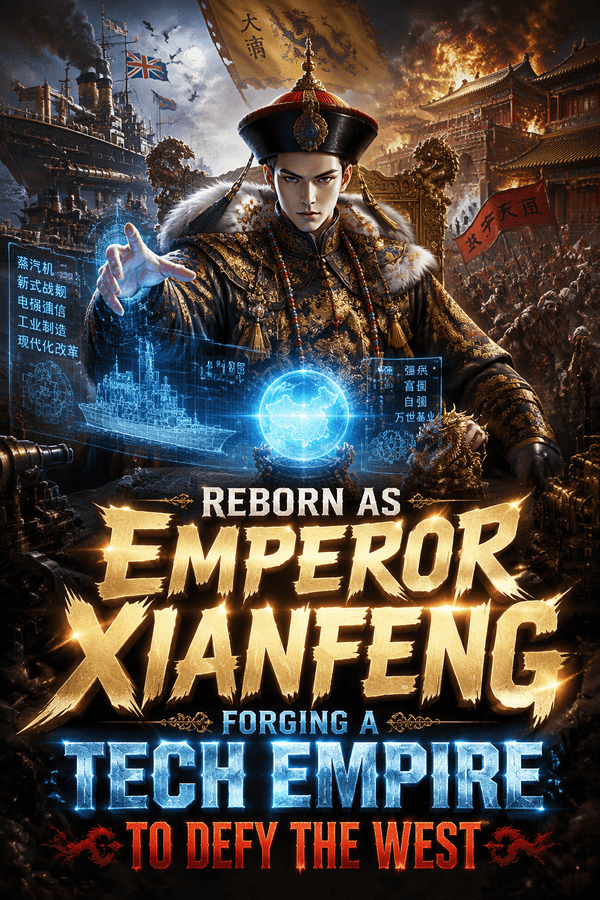
The mysterious fleet surged forward like a pack of black behemoths galloping across the waves. The flags aboard their vessels snapped in the howling sea breeze, sounding like a rhythmic, militant anthem. As the fleet drew nearer, the Great Qing Navy watched in astonished delight; the flags fluttering in the wind bore the insignia of the Great Qing Nanyang Fleet. Su Ran, possessing exceptional strategic foresight and the wisdom to prepare for the future, had secretly deployed the Nanyang Fleet while planning the defenses for Ningbo Port. He had held them in reserve in nearby waters, a hidden blade waiting for the right moment.
The arrival of the Nanyang Fleet was like a ray of dawn piercing the darkness, instantly tilting the balance of power off the coast of Ningbo Port. Seizing the moment while the Anglo-French Allied Forces were locked in a fierce engagement with the Great Qing Navy, the Nanyang fleet struck from the flank like a hunting leopard. The heavy cannons on their new warships spat fire, unleashing deafening roars; each shell trailed a long plume of flame, striking the Allied warships with the precision of a meteor. In an instant, the Allied ships were shrouded in smoke and engulfed in flames. Huge rents were torn into their decks, and debris—splinters of wood and shards of iron—rained down upon the hulls with a clattering din. The screams of soldiers echoed across the water, a miserable chorus amidst the smoke and fire. The Anglo-French Allied Forces fell into total disarray, their previous suppression of the Great Qing Navy utterly broken.
"Brothers, the reinforcements are here! Attack!" Inspired, the soldiers of the Great Qing Navy surged with renewed fire and determination, shouting as they launched a fierce counter-assault. For a time, the sounds of battle—cries, gunfire, and artillery—interwove and resounded across the sea. The Great Qing warships charged like tigers with wings, each artillery salvo fueled by the fire of vengeance, trapping the Anglo-French Allied Forces in a desperate struggle on two fronts.
On land, the Ningbo Port infantry also seized the opportunity to launch a full-scale counter-attack. Springing from their fortifications like arrows released from a bow, they engaged the landing Allied forces in brutal hand-to-hand combat. The Qing soldiers, eyes bloodshot and faces set with the resolve of those who have stared death in the face, charged with broadswords swinging like tigers descending a mountain. Every flash of steel carried a lethal momentum, carving into the ranks of the enemy. Some soldiers, riddled with wounds and blood soaking their uniforms, gritted their teeth and fought on with indomitable will. They held only one conviction: to protect the soil of the Great Qing and drive the invaders out!
The Anglo-French Allied Forces had not expected such a powerful counter-strike, and their offensive momentum was completely halted. Realizing the situation had turned dire, the Allied commander suppressed his panic and attempted a final, desperate stand, bellowing, "Concentrate fire! Drive back the Nanyang Fleet first!" But Su Ran’s meticulously laid tactics were like a tightening net, and the Allies' desperate gambit failed.
Even as the Nanyang Fleet engaged the Allies at sea, the Great Qing naval forces from Tianjin Port and Shanghai Port received their orders. They poured out like a surging flood, sweeping in from the north and south to complete an encirclement of the Anglo-French forces. Under the bombardment of the Qing artillery, the Allied warships were riddled with holes, and the sea began to surge into their shattered hulls. Their landing parties were similarly bogged down, locked in combat by the Qing infantry. Despair hung heavy over the battlefield, amidst the screams of the Allied soldiers and the roar of the cannons.
After a fierce battle, the Anglo-French Allied Forces could no longer sustain their position. The commander issued a forced order to retreat, gazing at the wreckage of the battlefield with eyes full of frustration and defeat. The remnants of their fleet fled the scene like stray dogs. The defense of Ningbo Port ended in a victory for the Great Qing, and as the news spread, the nation erupted in jubilation. People poured into the streets to cheer, and the sound of firecrackers rang out, celebrating a hard-won triumph.
When Su Ran heard the news of the victory, a relieved smile touched his lips, yet a trace of worry lingered in his eyes. He knew that this victory had only briefly repelled the Anglo-French Allied Forces; the ambitions of the foreign powers would not be so easily extinguished, and the road ahead remained fraught with thorns. The Great Qing was walking a path of New Policies, a journey where every step was like treading on thin ice; one slight misstep could lead to ruin.
True enough, it was not long before the British, French, and other powers issued strong protests through diplomatic channels. Their notes were filled with unreasonable rhetoric, twisting facts to accuse the Great Qing of violating "international rules." They demanded massive reparations and an immediate halt to the New Policies, threatening harsher measures if these demands were not met. Su Ran looked at these notes and scoffed. He knew this was the customary tactic of the Great Powers, an attempt to recoup their battlefield losses through diplomatic pressure.
In the imperial court, ministers engaged in heated debates over how to respond to the unreasonable demands of the foreign powers. Some were filled with righteous indignation, arguing for a hardline stance; they believed that since the Great Qing had finally secured a victory, they must not bow to the powers, lest the achievements of the New Policies be destroyed. Others were filled with trepidation, fearing that an escalation would lead to a larger war that would plunge the Great Qing into an inescapable abyss, and thus they leaned toward compromise. Faced with these unreasonable demands, how would Su Ran respond? And how would the Great Qing navigate this dual struggle of diplomacy and military pressure to continue forward and consolidate the achievements of the New Policies?