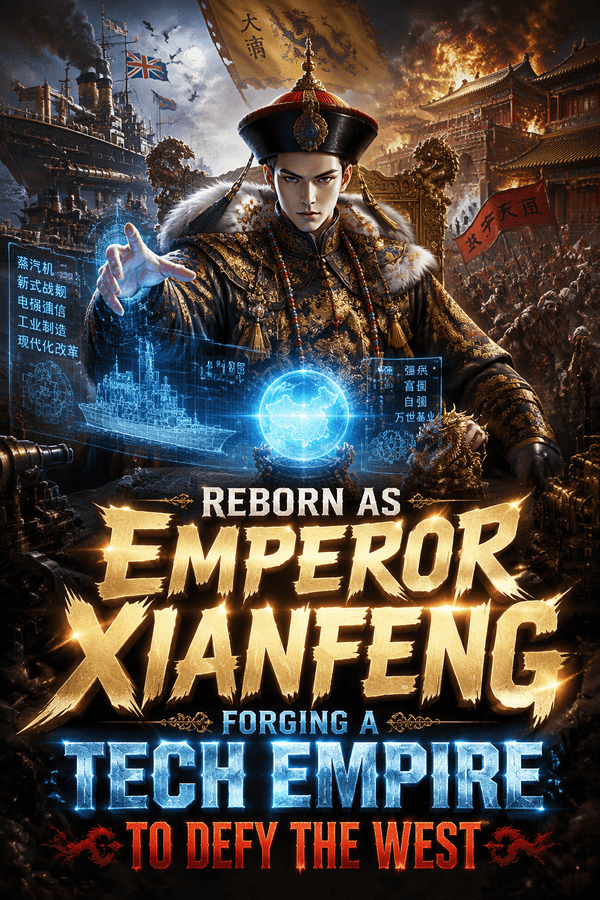
Caught in the center of a swirling vortex of internal and external crises, Su Ran felt the weight of the pressure pressing down on him like a mountain. Yet, his resolve to advance industrial upgrading and diplomatic cooperation remained as steadfast and immovable as a boulder that stands firm against the ravages of wind and rain.
Within the Great Qing, conservative forces acted as a stubborn undertow. Their mounting opposition grew ever louder, threatening to drown out the calls for reform. These adherents to tradition believed the industrial models inherited from their ancestors were golden rules that must not be altered. They were riddled with anxiety, fearing that any new attempt would be like an unbridled horse, recklessly destroying the existing economic order and triggering social instability. Consequently, influential old-guard merchants joined forces to exert immense pressure on the imperial court, vehemently demanding an end to what they viewed as "radical" reforms.
Su Ran understood that unless these internal contradictions were resolved, the path to industrial upgrading would be completely blocked. To this end, he repeatedly convened grand assemblies, patiently and meticulously analyzing the dire situation for the ministers and representatives of the conservative factions. Su Ran spoke with earnest conviction, pointing out that the tides of international competition were surging; if the Great Qing continued to isolate itself and cling to outdated rules, it would …
Chapter 92