Parent-Child Relationship in 1990s China
Explore the unique dynamics of parent-child bonds in the rapidly changing landscape of 1990s China, a time of economic reform and shifting societal values.
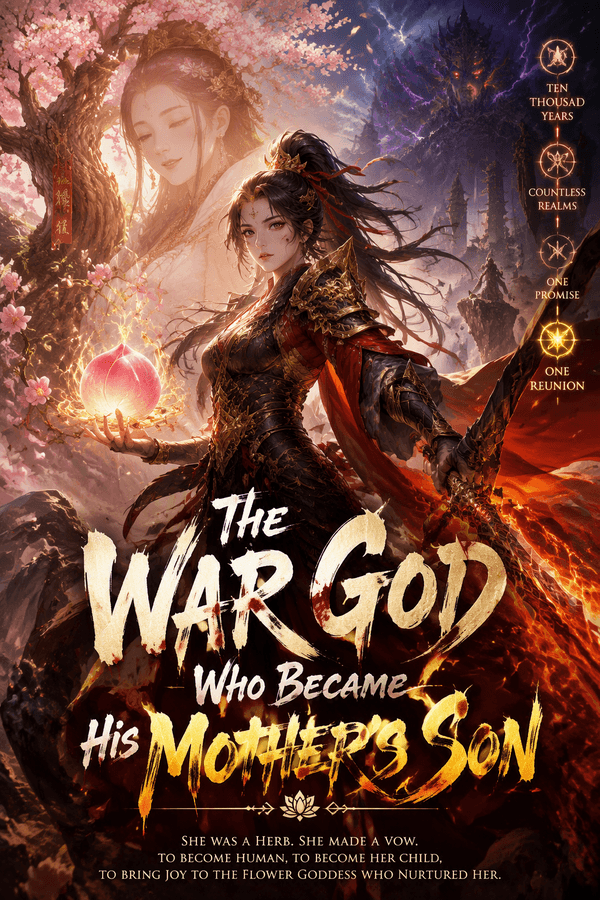
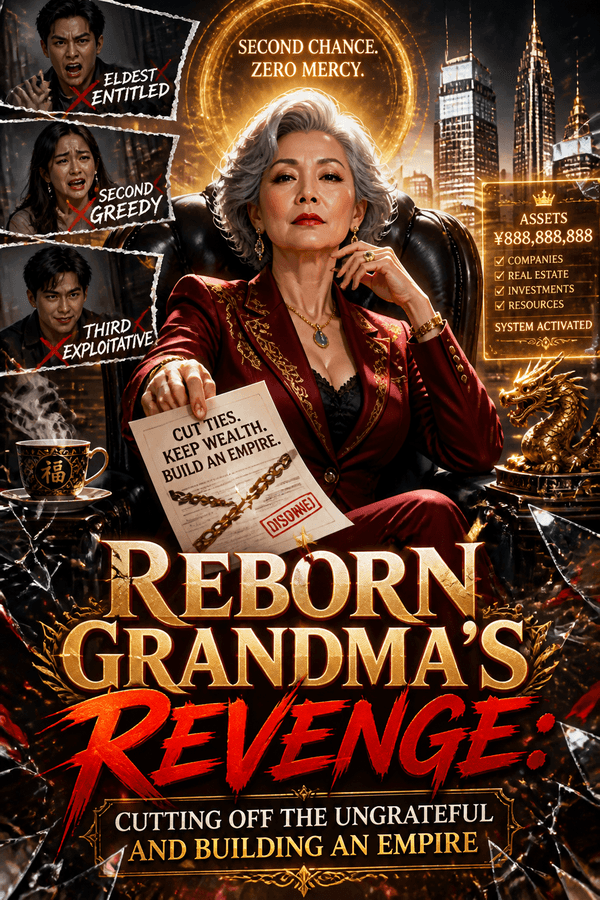
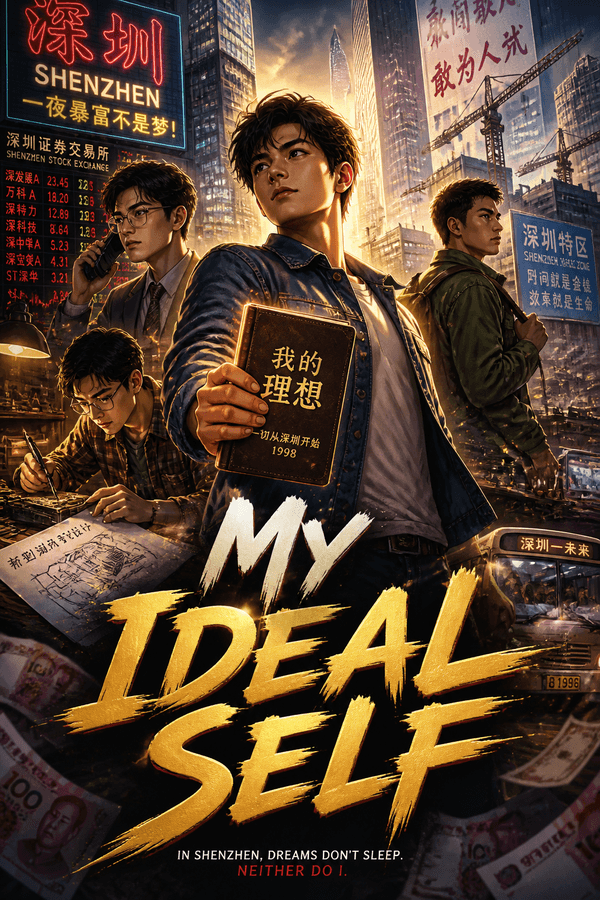
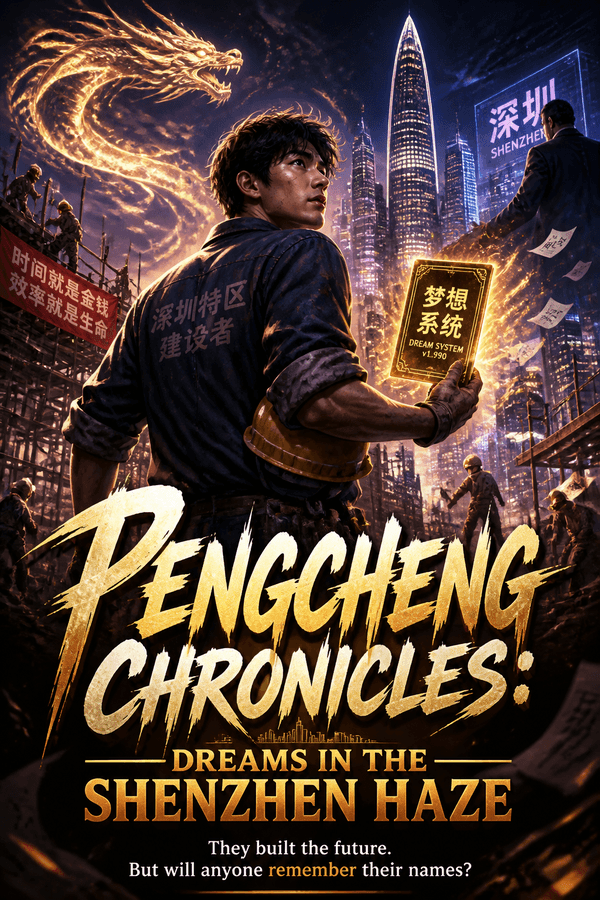
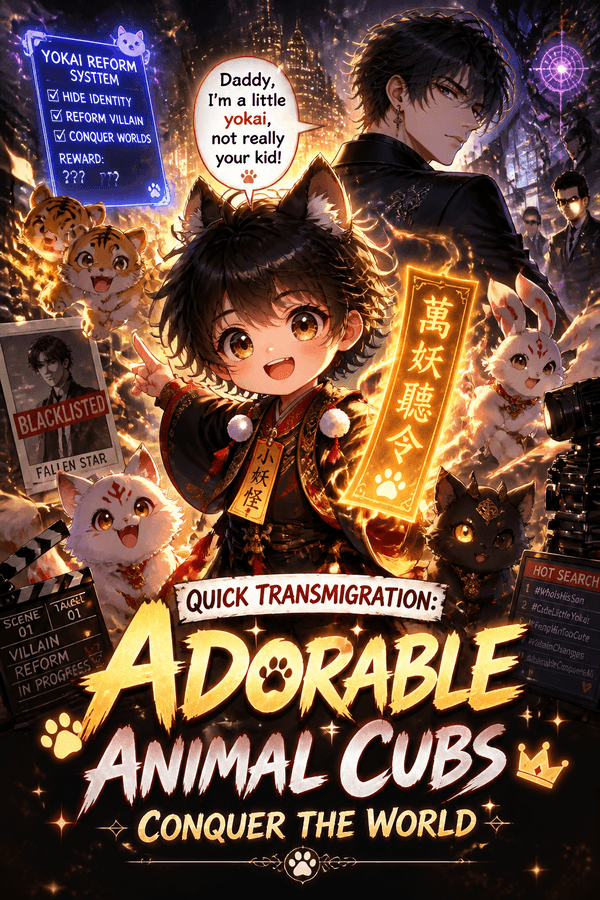
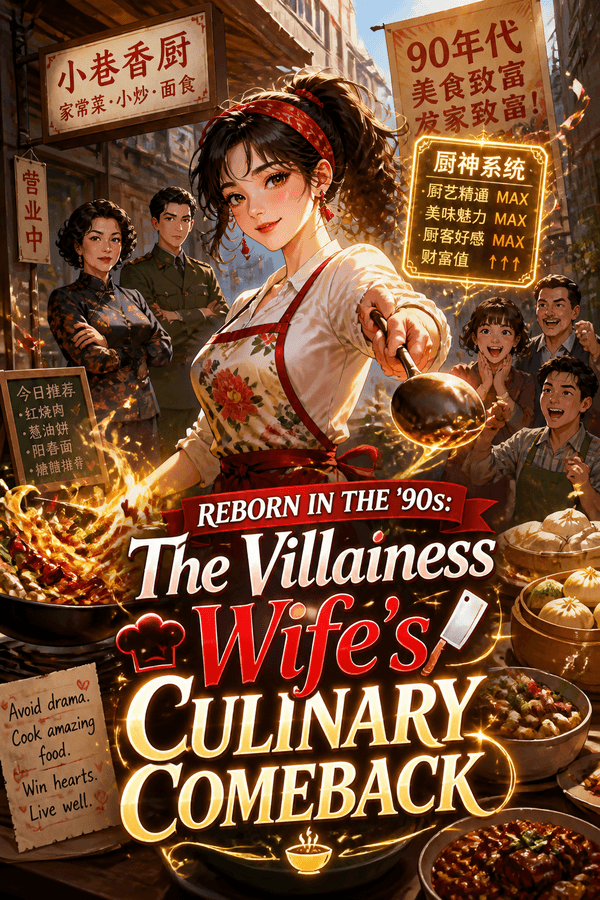
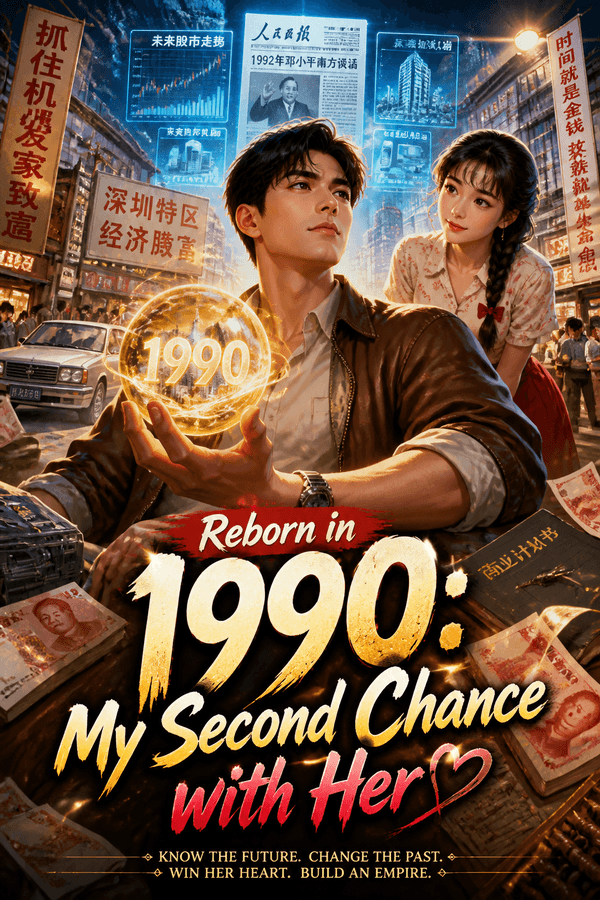
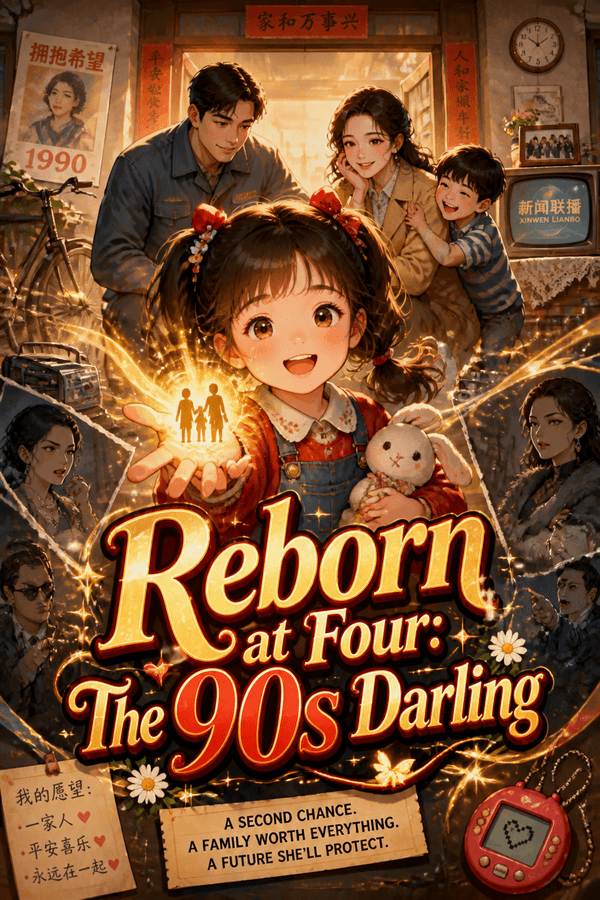
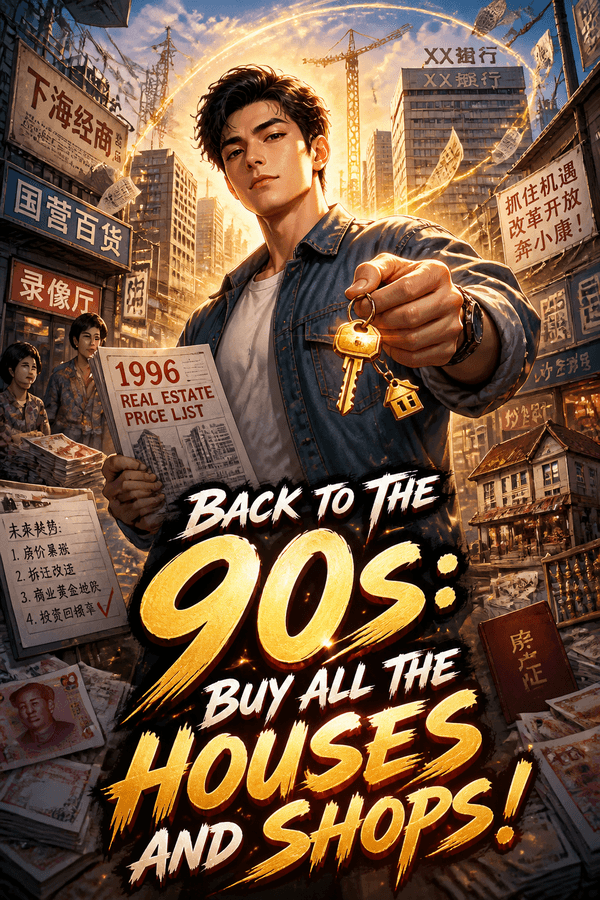

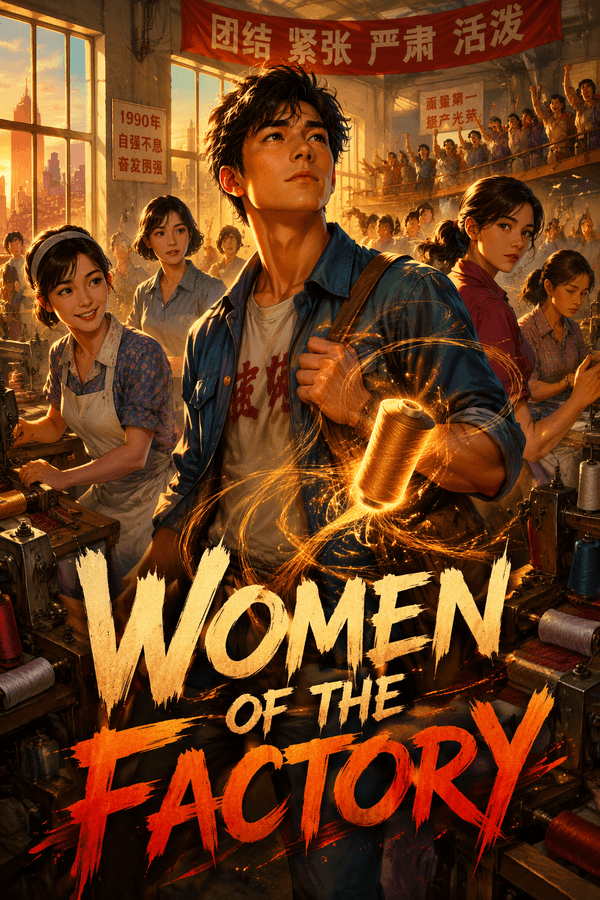
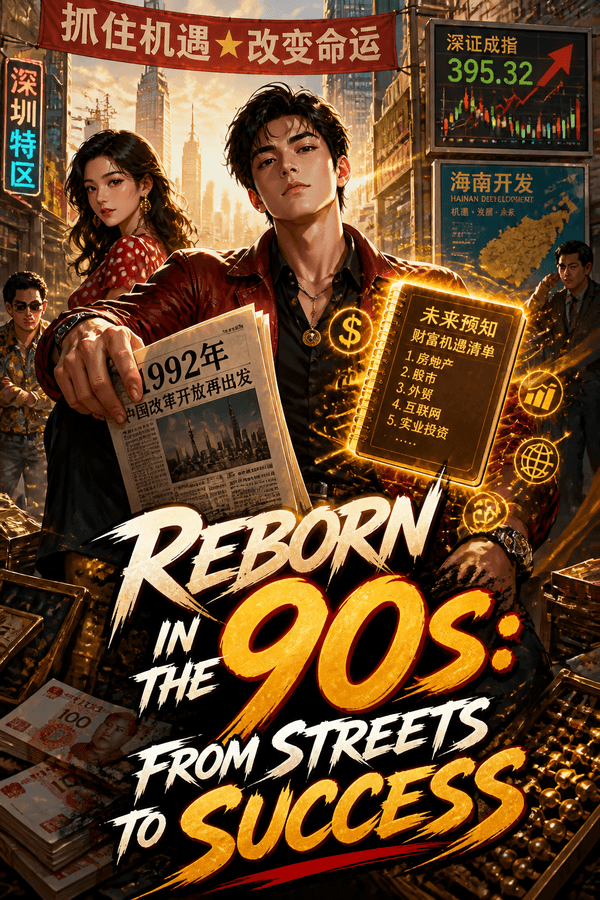
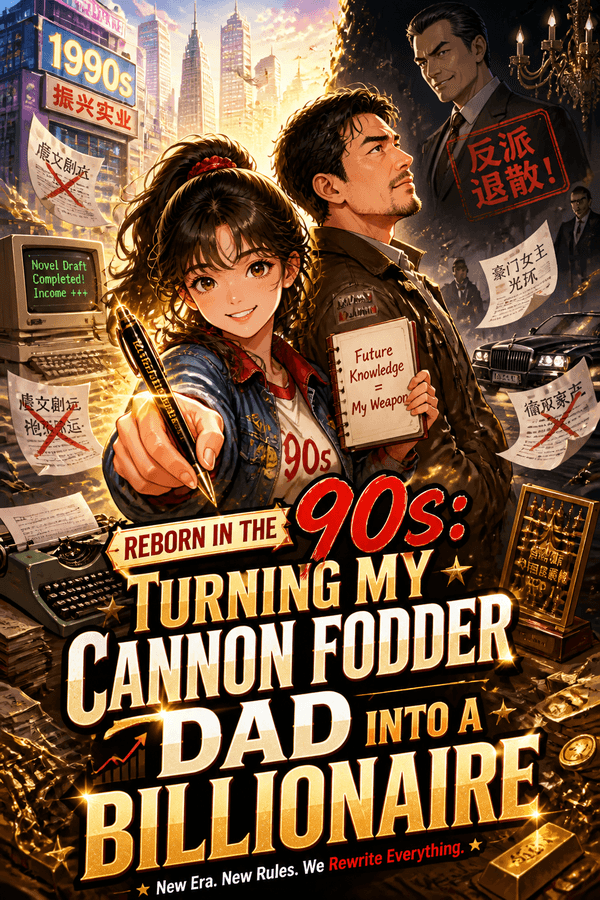
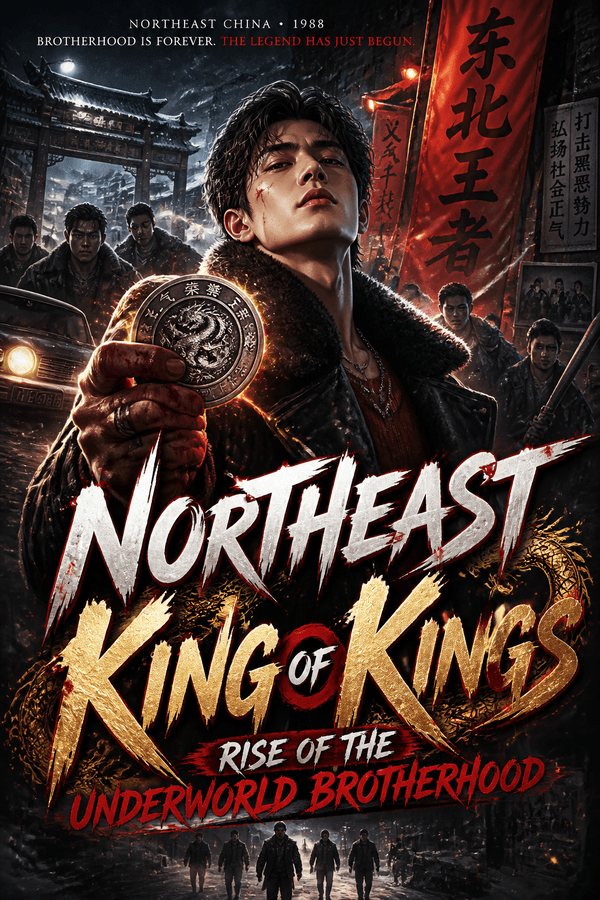

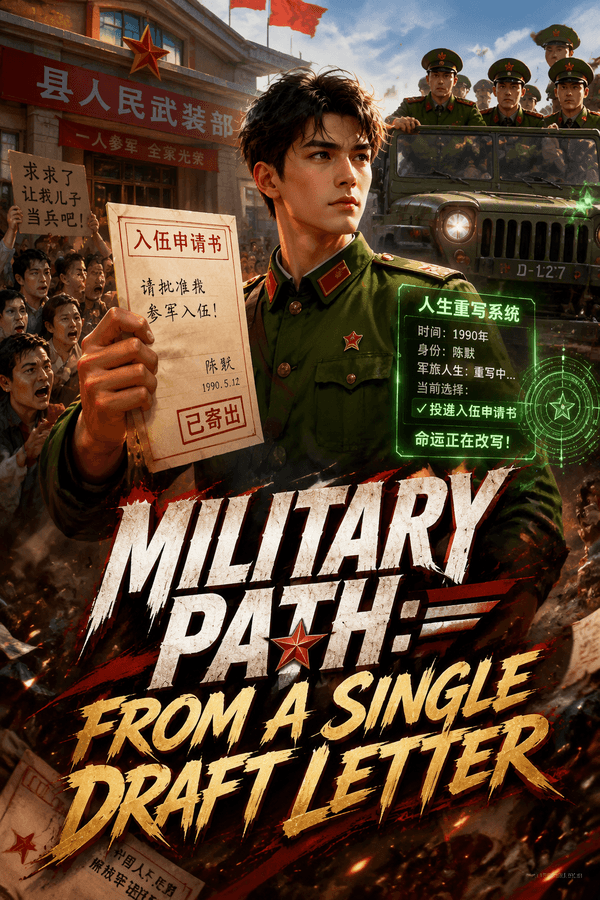


Step back in time to 1990s China, a decade marked by unprecedented economic growth and profound social transformation. This era saw the foundations of traditional family structures begin to shift as the nation embraced market reforms and opened its doors to the world. Within this dynamic backdrop, the parent-child relationship underwent its own fascinating evolution.
Witness how parents, often shaped by the collectivist ideals of the past, navigated the challenges of raising children in a more individualistic and consumer-driven society. Experience the push and pull between ingrained Confucian values of respect and filial piety, and the emerging aspirations for children to pursue personal success and global opportunities. From the pressures of the One-Child Policy's lingering effects to the burgeoning influence of Western culture, these narratives delve into the complexities of love, duty, and expectation that defined family life.
Our collection offers a poignant and insightful look into these relationships, showcasing the resilience of family ties amidst modernization. Whether it's the sacrifices parents made for their children's futures or the newfound independence of the younger generation, these stories capture the heart of a nation in transition and the enduring strength of familial bonds. Discover a China that is both familiar and foreign, where the past informs the present and the future is shaped by the love shared across generations.
Frequently asked questions
What makes the parent-child relationship in 1990s China unique?
The 1990s in China was a period of rapid economic reform and societal change. This meant parents, often raised with traditional values, had to adapt to a more individualistic and consumer-driven society, creating unique dynamics with their children.
How did Confucian values influence families during this time?
Confucian values emphasizing respect, filial piety, and the importance of family hierarchy remained influential. Parents often instilled these values, while children navigated them alongside emerging Western ideas of independence.
Were there any specific policies that impacted families?
The lingering effects of the One-Child Policy, implemented in 1979, still influenced family structures and parental expectations for their only child during the 1990s.
What kind of stories can I expect to find?
You can expect stories exploring parental sacrifices for children's futures, the struggles of balancing tradition with modernity, the growing independence of the younger generation, and the enduring strength of family love.
Is this collection suitable for readers interested in history or culture?
Absolutely! This collection offers a fascinating glimpse into a specific historical period and cultural context, providing insights into the social and economic shifts that shaped Chinese families.