Deceptive Masterminds: The Black Lotus and Their Web of Lies
Dive into stories where the protagonist’s sweet facade hides a ruthless ambition and their version of the truth is never quite what it seems.
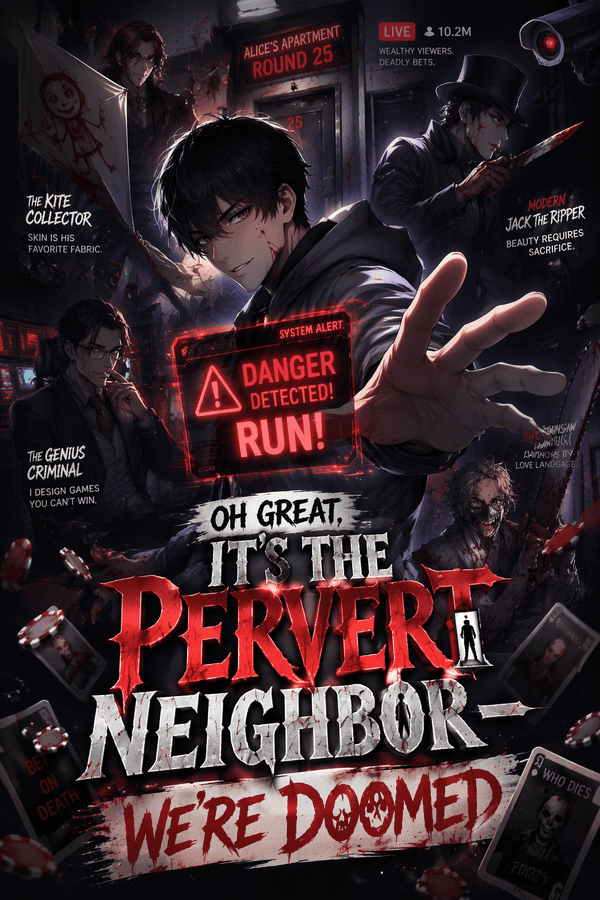
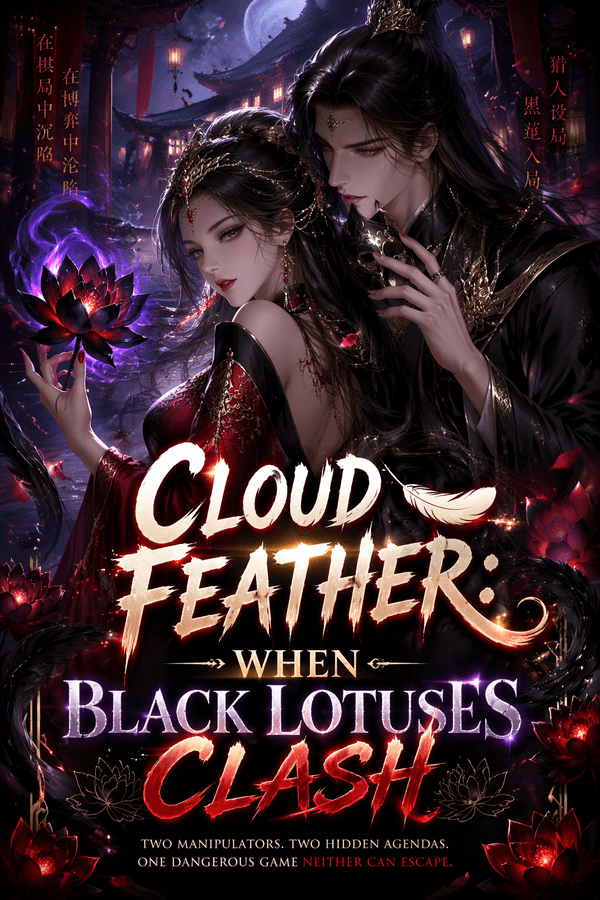
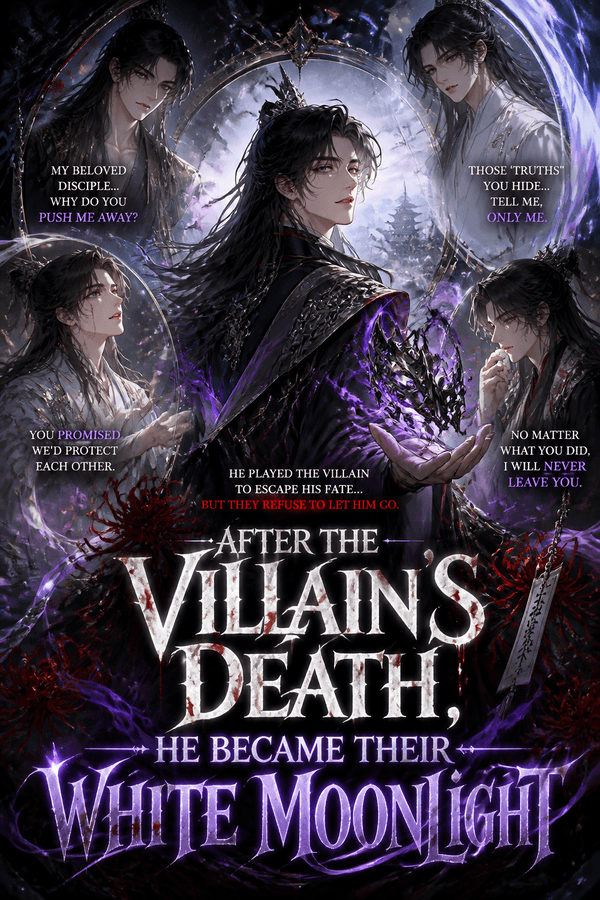


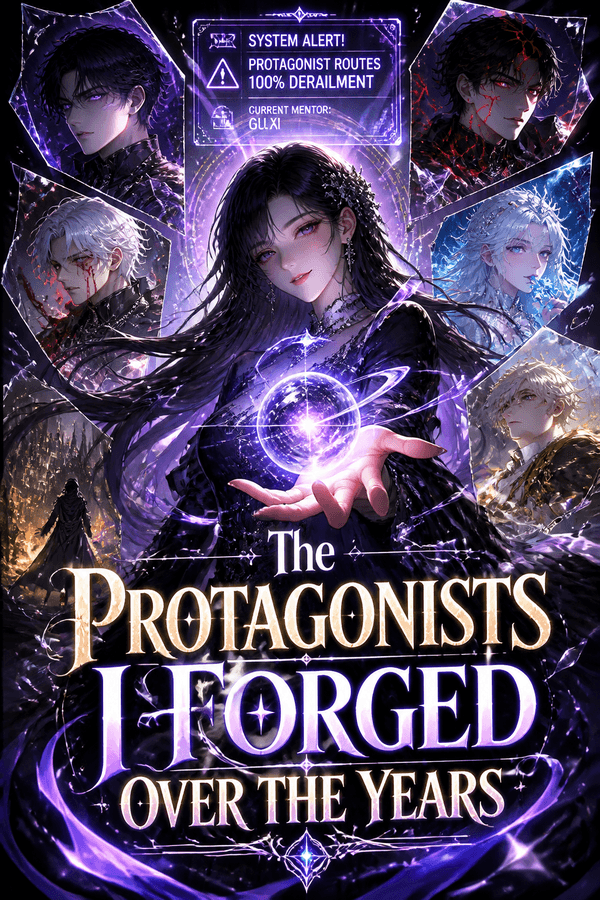

![The Villain Is Too Beautiful [Transmigration]](/_next/image?url=https%3A%2F%2Fen.daolate.com%2Fstorage%2Fcovers%2F17943%2Fai_1779215391.png&w=3840&q=75)
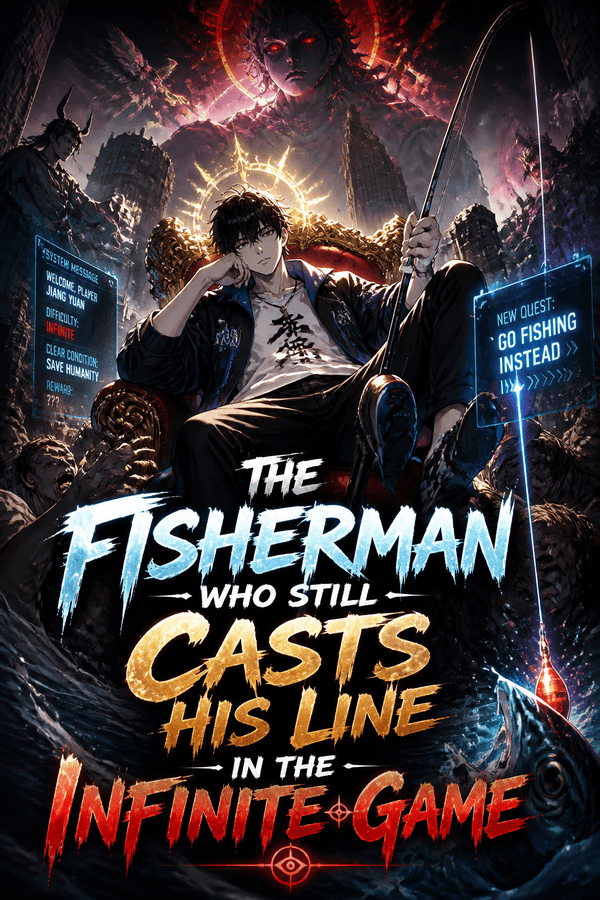
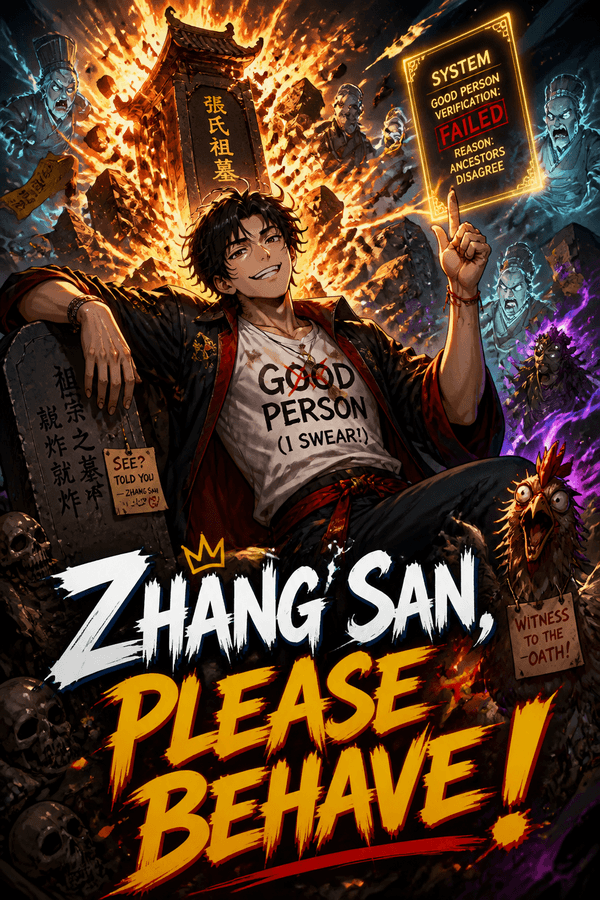
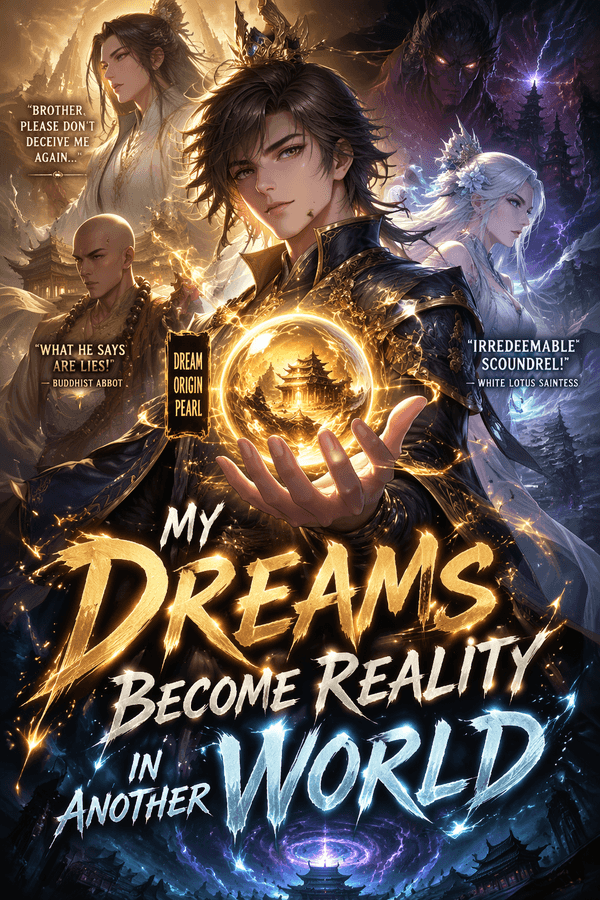

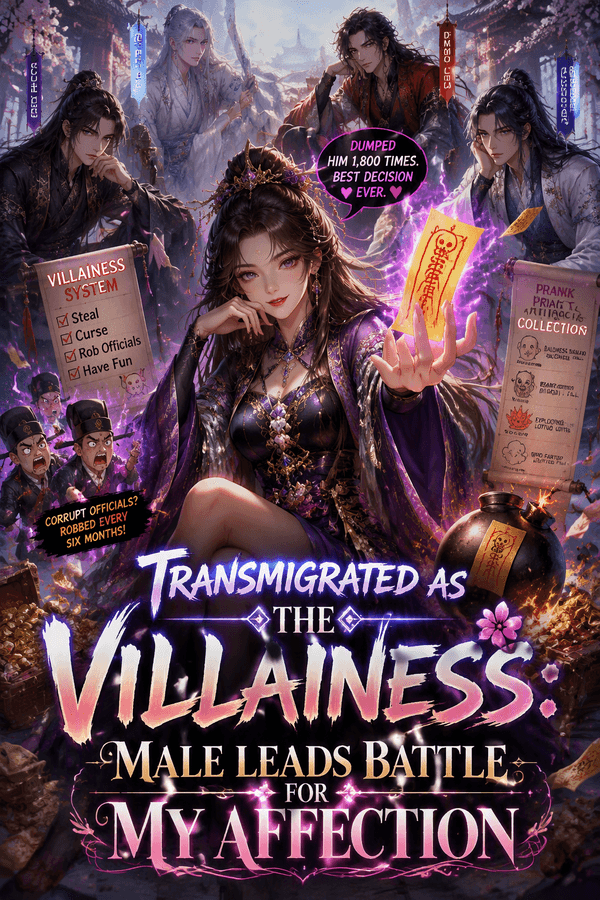
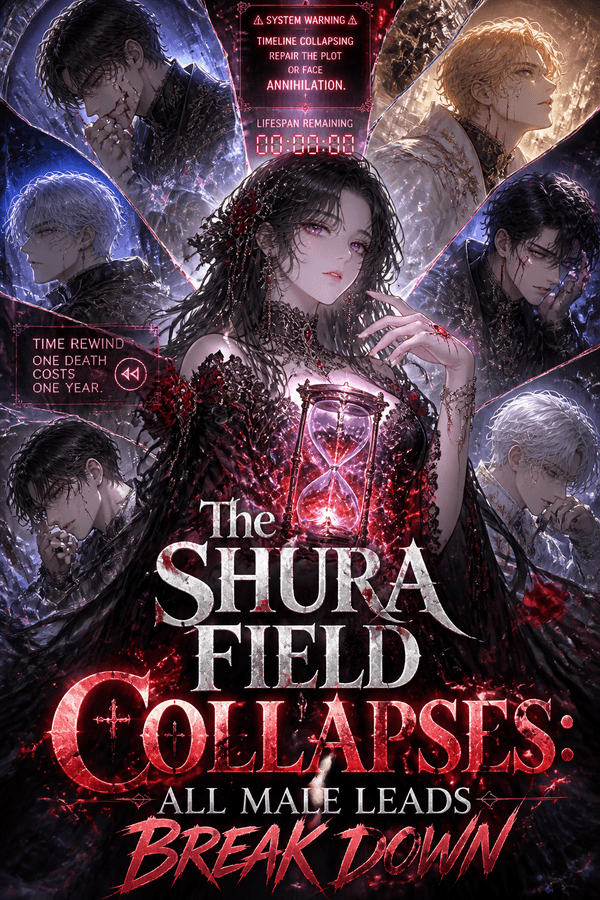
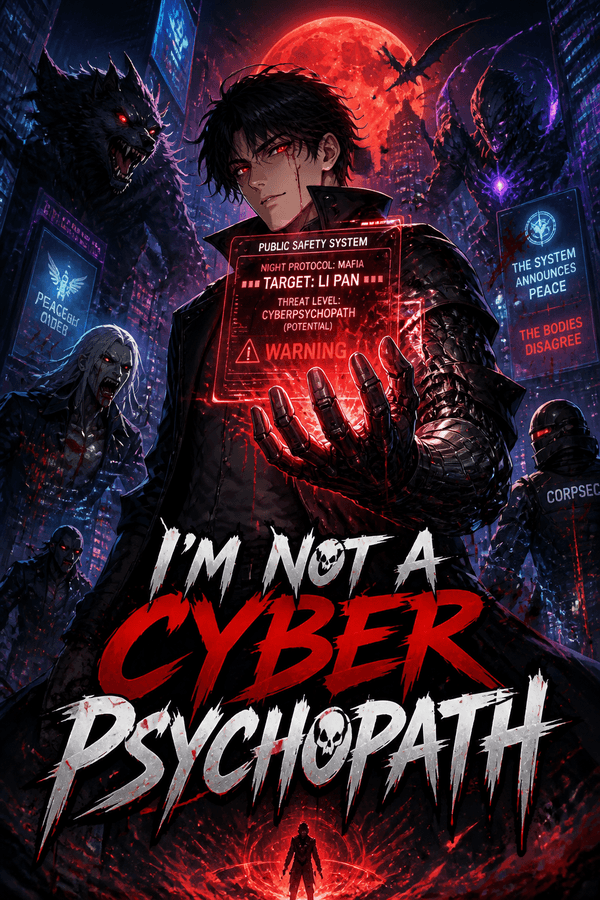
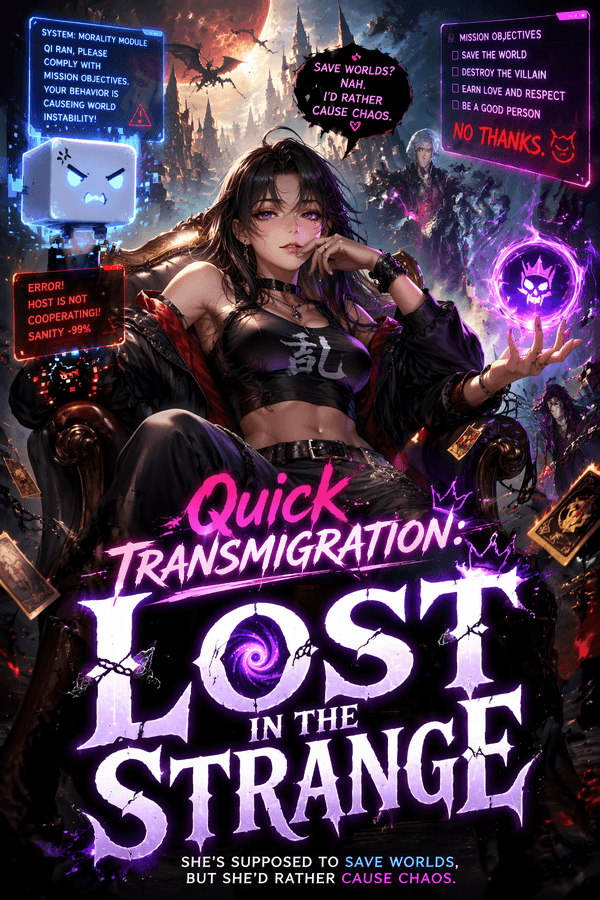
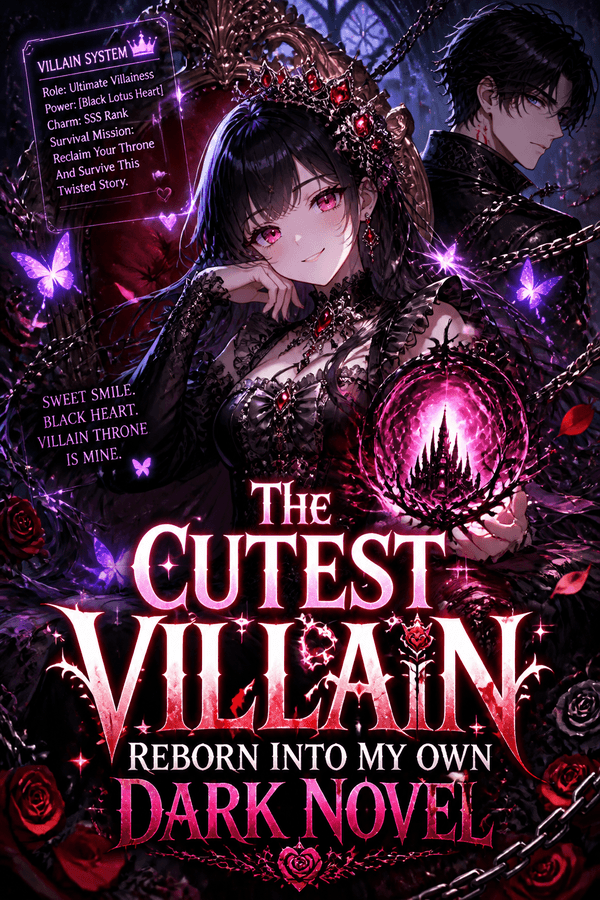
Step into a world where nothing is as it appears. The 'Black Lotus' trope features protagonists who masterfully cultivate an image of innocence, purity, or frailty to disarm their enemies. Beneath this carefully curated exterior lies a cold, calculating mind capable of orchestrating elaborate schemes to achieve their ultimate goals. They are the ultimate survivors, turning their perceived weaknesses into lethal weapons against those who underestimate them.
What makes these stories truly gripping is the unreliable narration. Because these protagonists are masters of manipulation, the reader is often trapped within their subjective perspective. You are never quite sure if the events unfolding are objective reality or a carefully crafted narrative designed to deceive you, the audience. This creates a delicious tension where you find yourself rooting for a character you know you shouldn't trust.
Whether they are seeking revenge, power, or simple survival, these characters blur the lines between hero and villain. As you peel back the layers of their deception, you’ll discover that the most dangerous weapon in their arsenal isn't a blade or magic—it’s the story they choose to tell. If you enjoy psychological depth, plot twists that leave your head spinning, and protagonists who play 4D chess while everyone else is playing checkers, this collection is your next obsession.
Frequently asked questions
What defines a Black Lotus protagonist?
A Black Lotus protagonist is a character who presents themselves as innocent or weak to manipulate others, while secretly being ruthless and calculated.
Why is the narrator unreliable in these stories?
The narrator is often unreliable because they are actively deceiving the people around them, and by extension, the reader, to control the narrative.
Are these protagonists considered villains?
They often occupy a gray area. While their methods are morally ambiguous, their motivations are usually deeply tied to their survival or personal justice.
Is this trope common in specific genres?
Yes, it is extremely popular in psychological thrillers, political intrigue, and dark cultivation or fantasy web novels.
Why do readers enjoy unreliable narrators?
Readers enjoy the challenge of piecing together the 'real' truth and the suspense of realizing that the protagonist has been lying to them all along.