Modern Knowledge Meets Ancient Dynasties: The Cultural Invasion Genre
Step into a world where modern ingenuity reshapes the course of Chinese history. Experience the thrill as protagonists introduce revolutionary ideas to ancient empires.
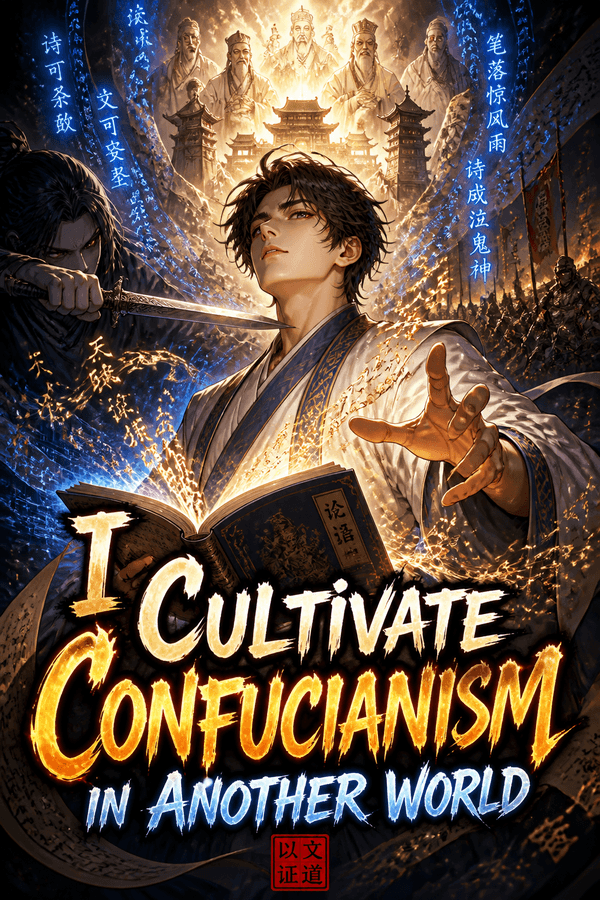
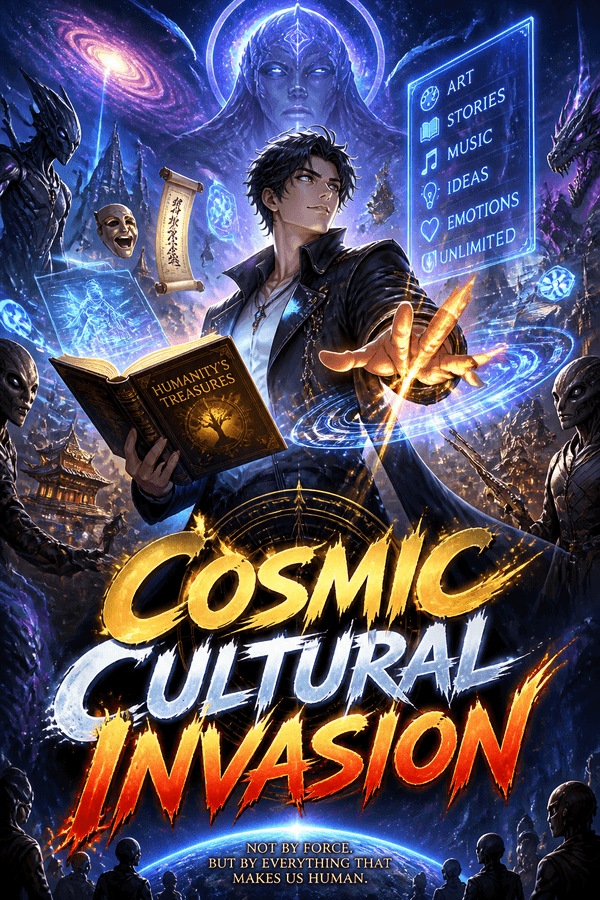
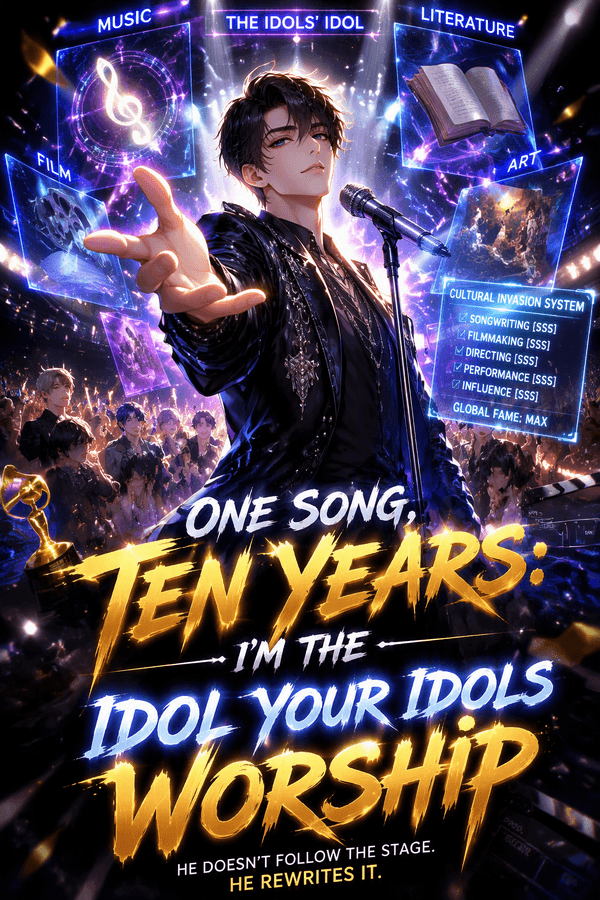
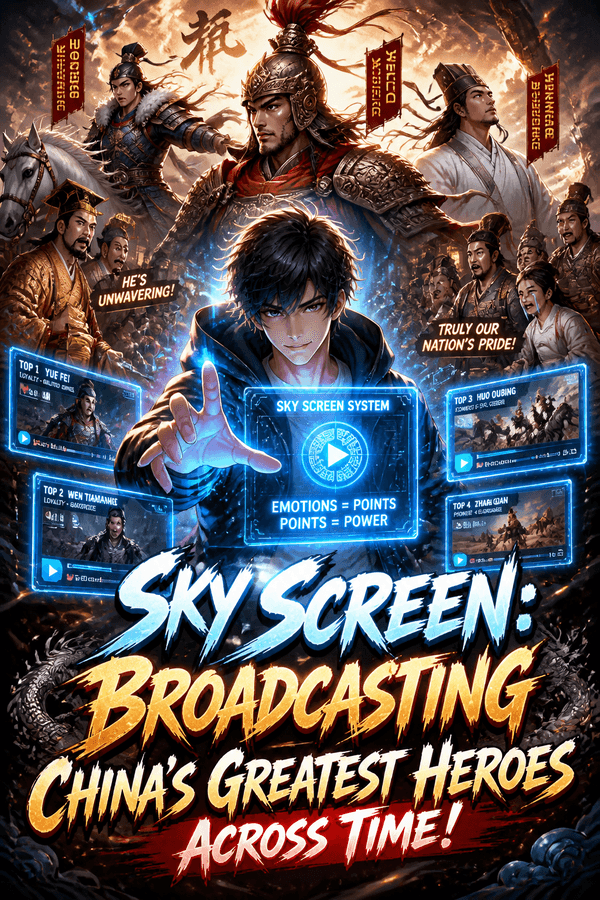
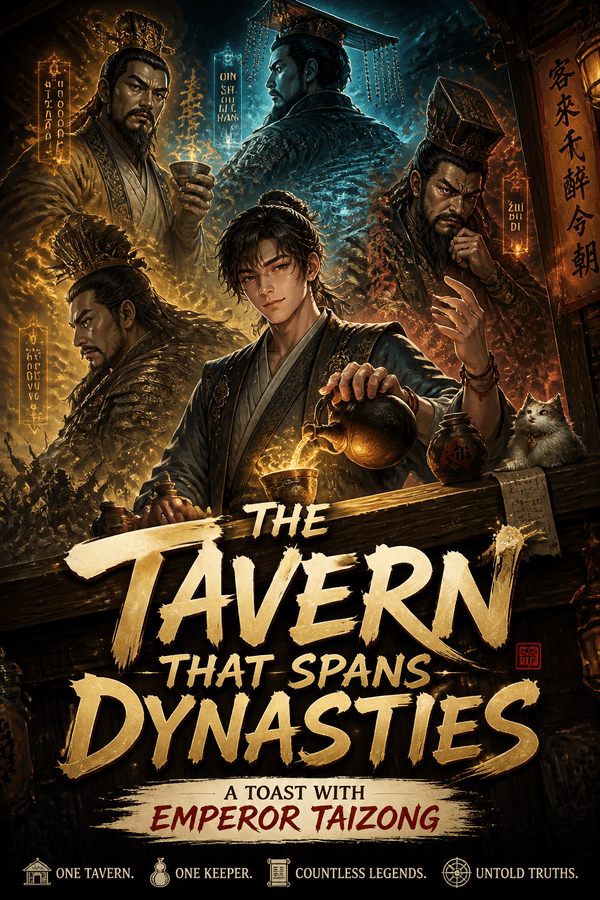
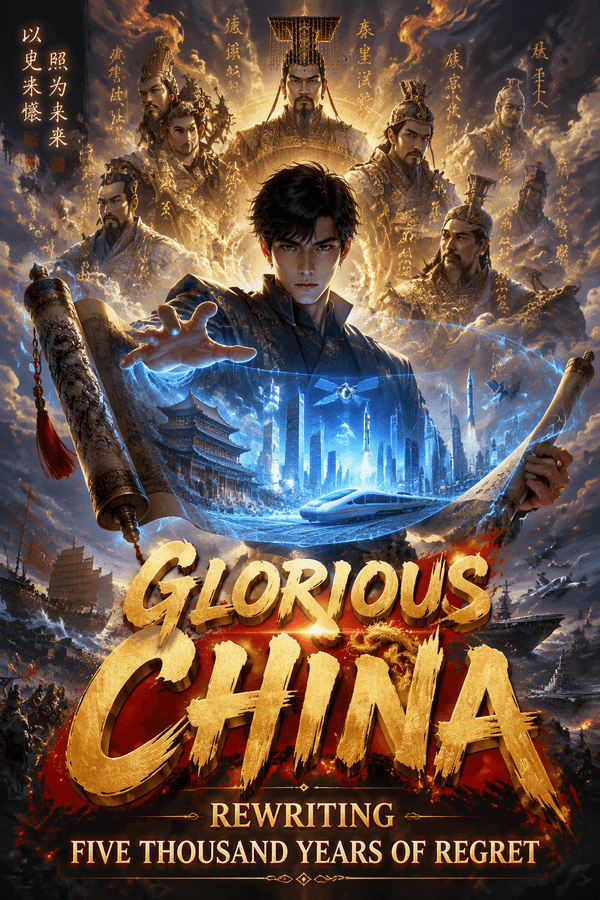
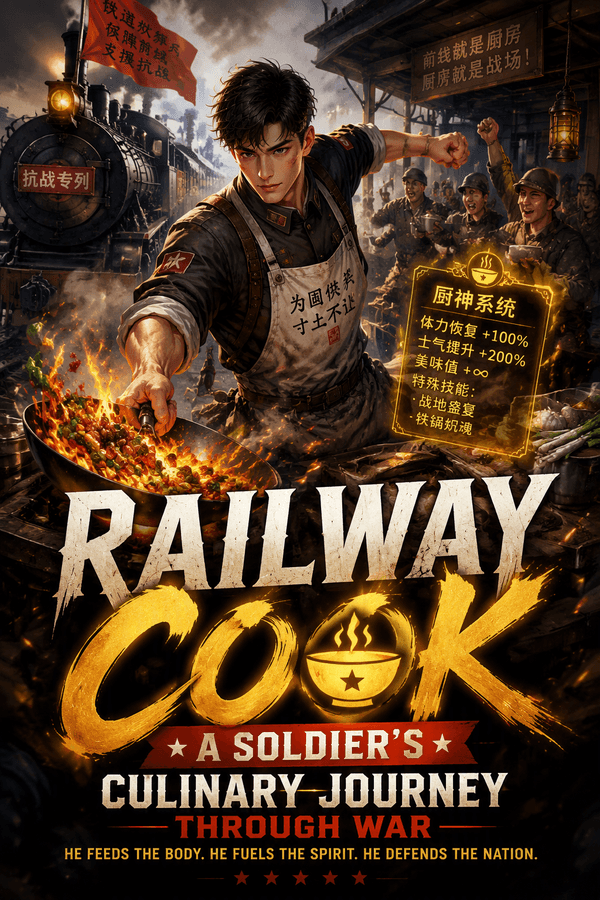
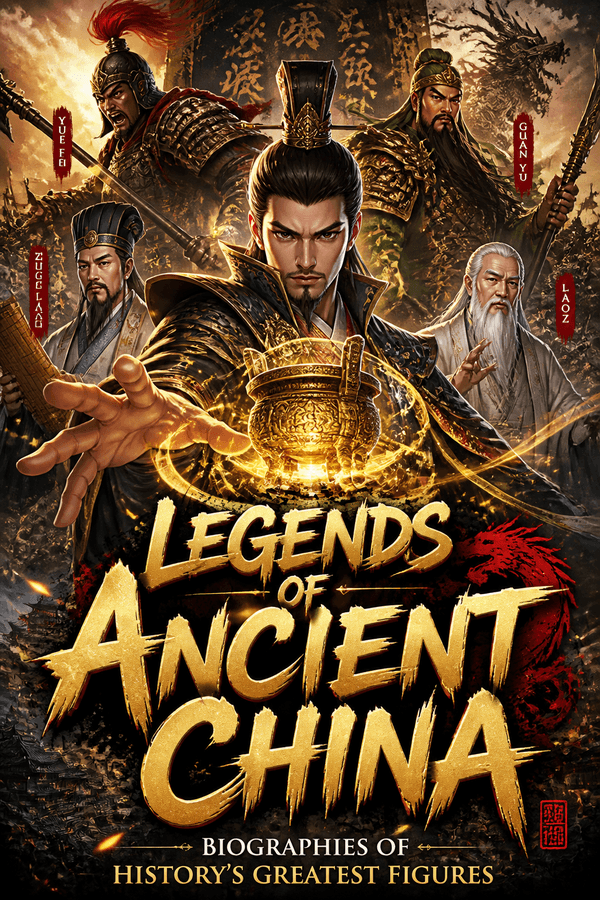
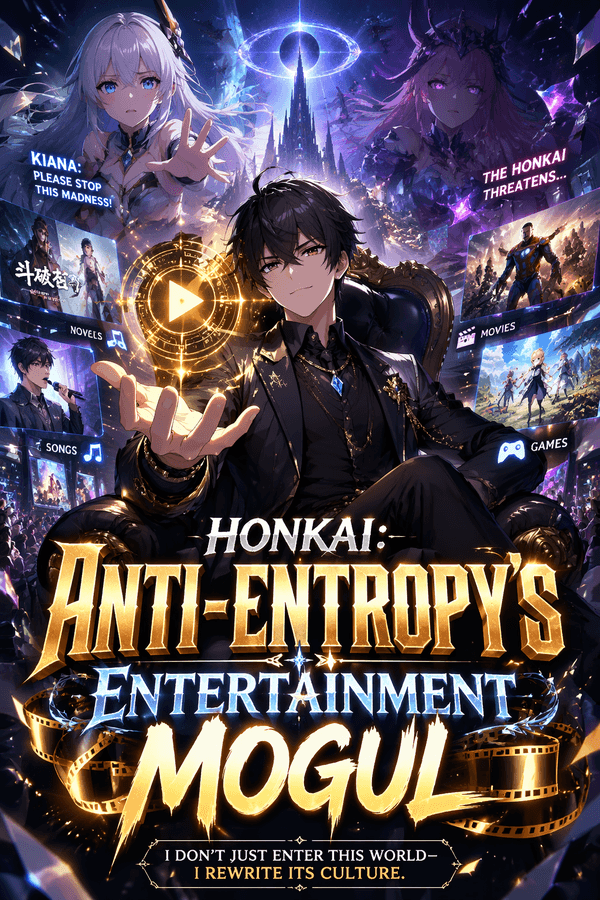
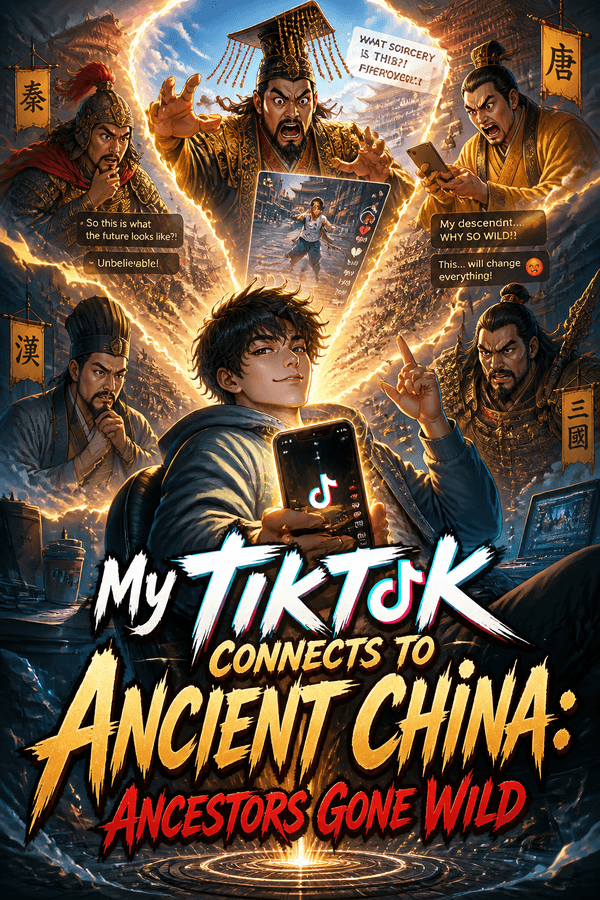
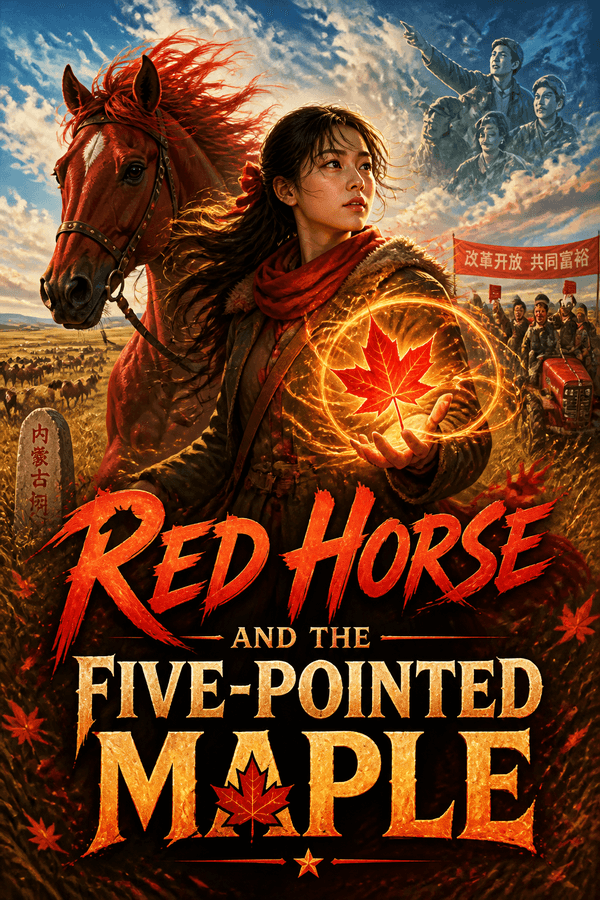
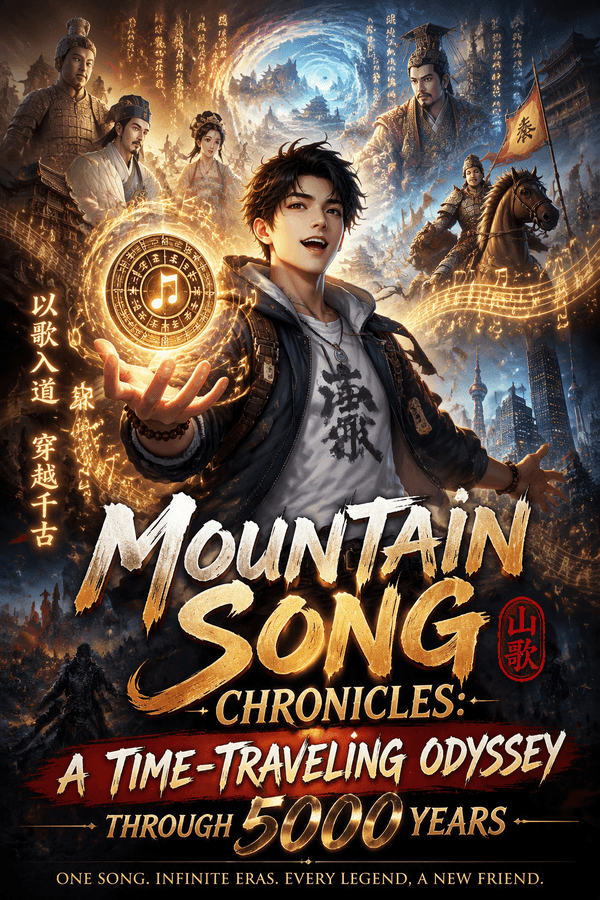
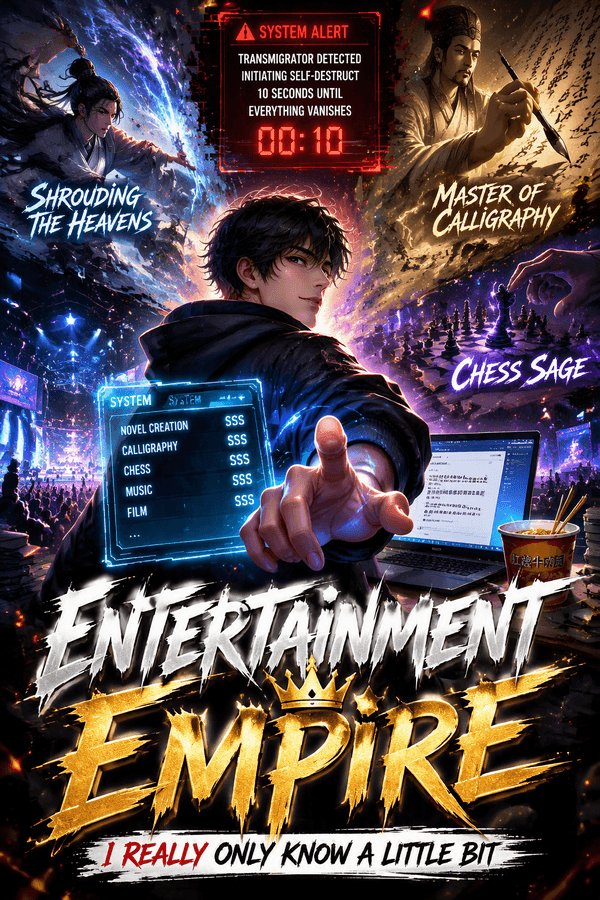
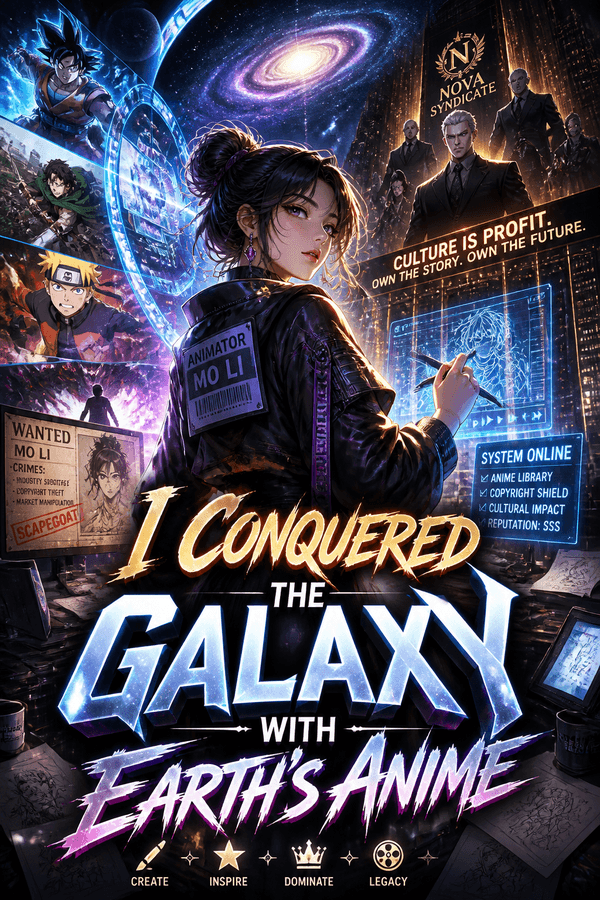
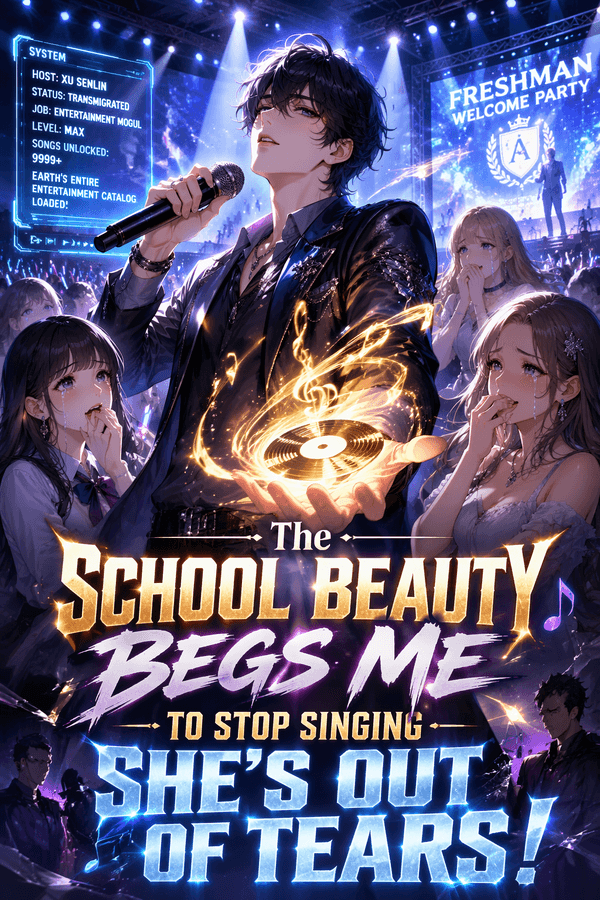
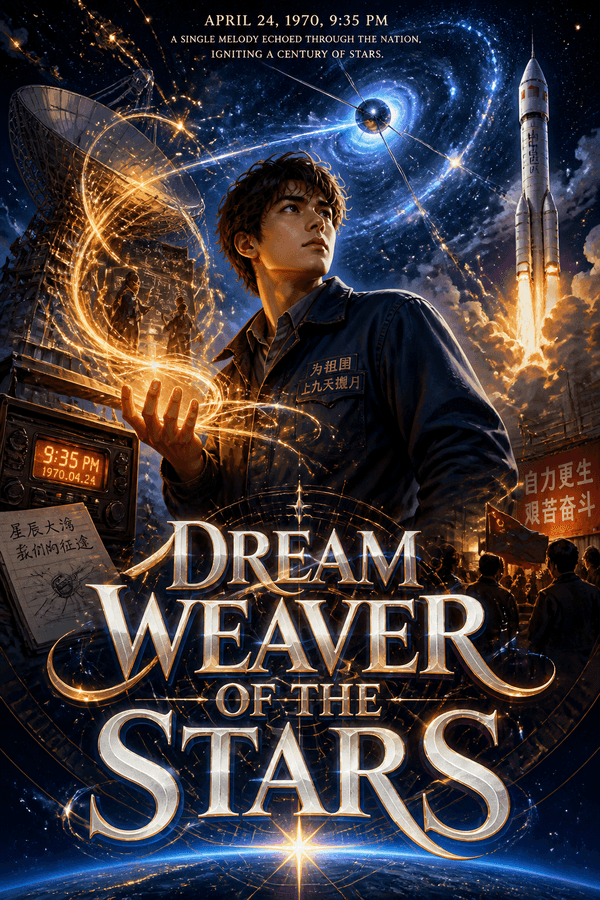
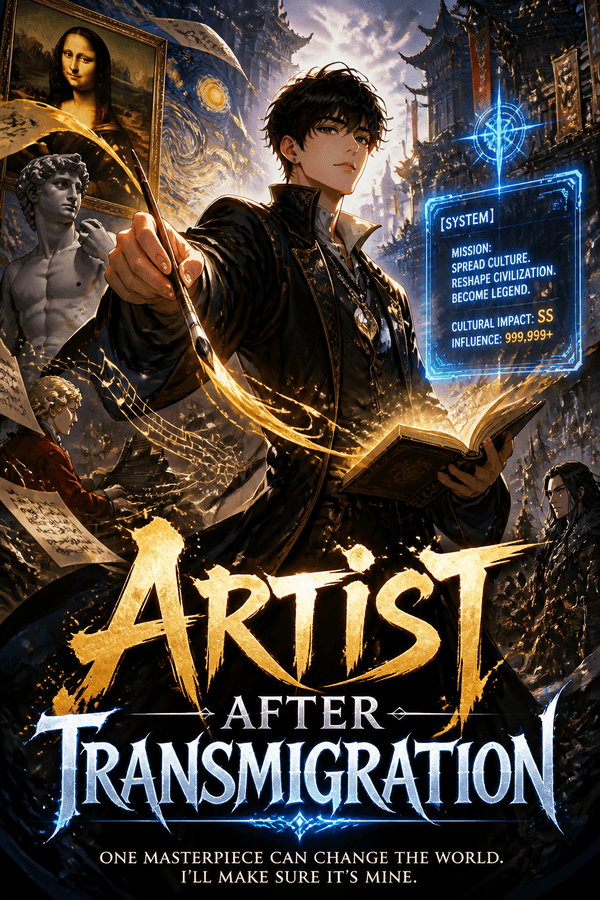
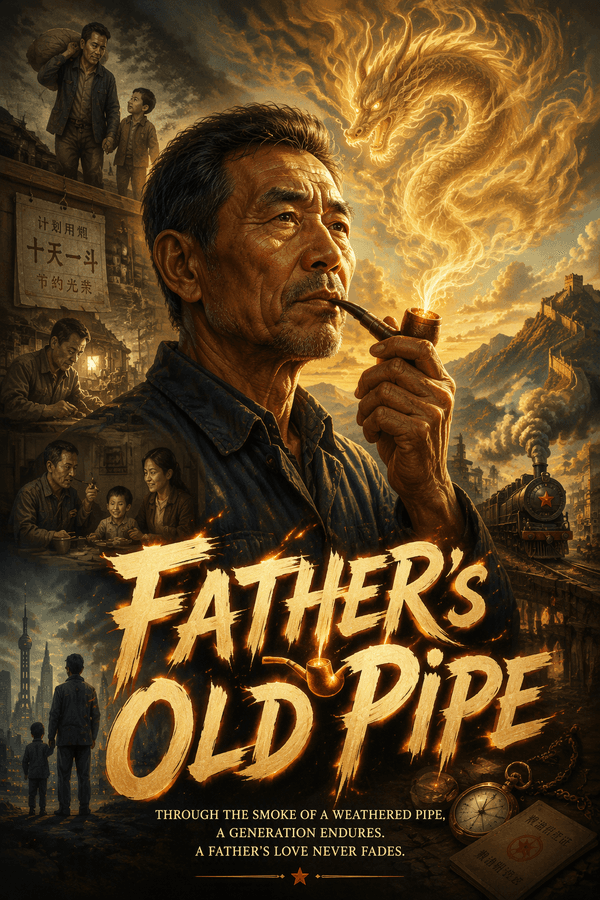
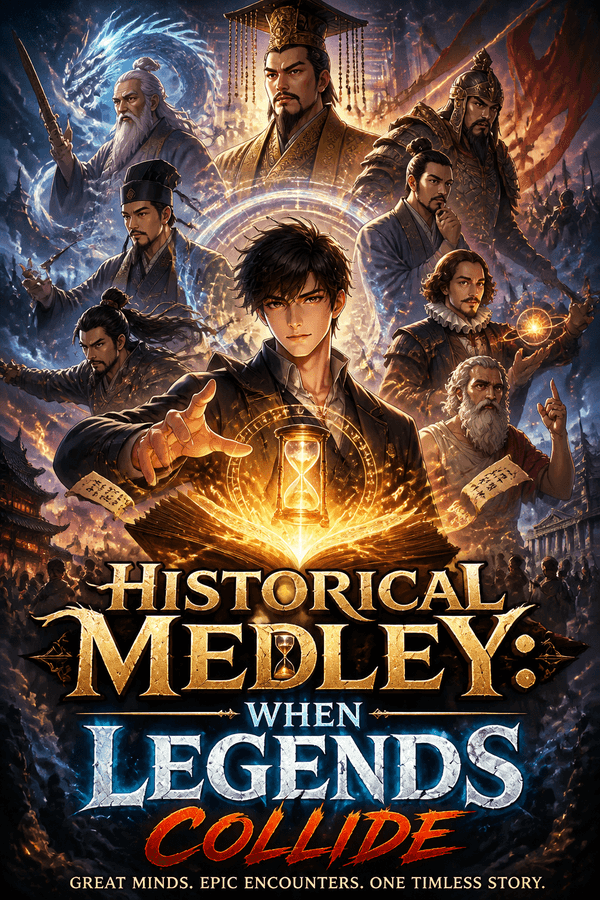
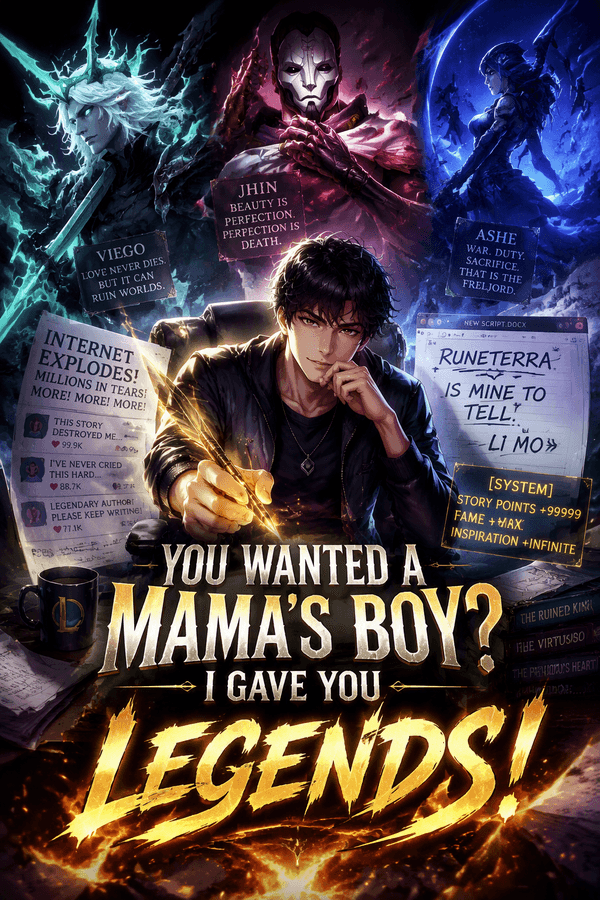
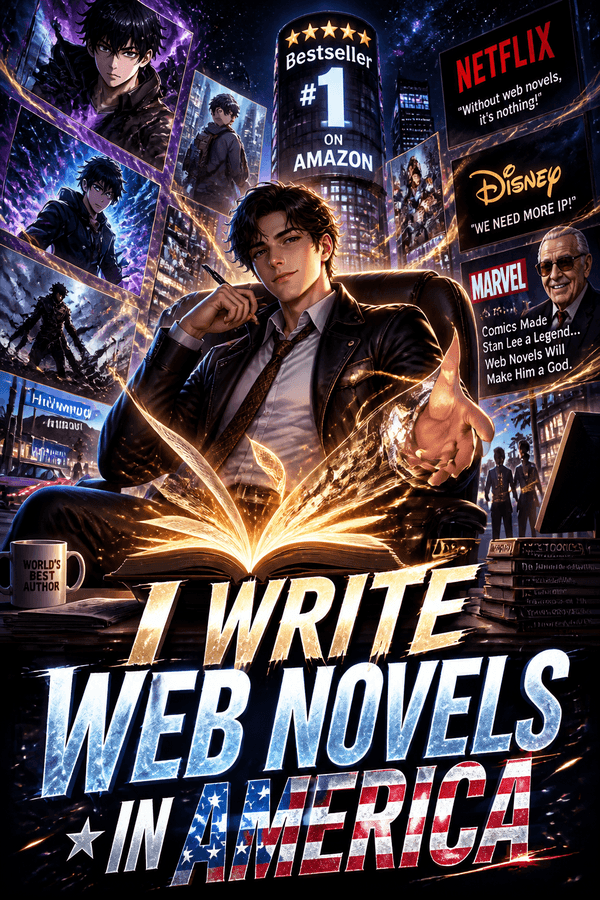
The cultural invasion genre—often referred to as 'civilization building' or 'tech-uplift'—is a captivating subgenre of historical fiction. In these stories, a protagonist is transported to a pivotal era in Chinese history, armed with the knowledge of modern science, engineering, or social theory. Rather than focusing solely on martial arts or palace intrigue, these narratives center on the transformative power of ideas as the protagonist systematically upgrades the society around them.
Readers are drawn to the satisfaction of watching primitive systems evolve through the lens of contemporary wisdom. Whether it’s introducing steam power to the Song Dynasty, revolutionizing agriculture during the Warring States period, or reforming the bureaucracy of the Ming Dynasty, the appeal lies in the clash between tradition and progress. These stories aren't just about changing history; they are about the intellectual challenge of adapting modern concepts to fit the constraints of a bygone era.
Beyond the technical achievements, these novels explore the deep cultural impact of such changes. How does a society react when their worldview is challenged by advanced philosophy or scientific breakthroughs? The narrative tension often stems from the resistance of the status quo, creating a compelling struggle that keeps readers hooked. Dive into our collection of cultural invasion tales and witness how one person’s foresight can rewrite the legacy of an entire civilization.
Frequently asked questions
What is the cultural invasion genre?
It is a subgenre where a protagonist uses modern knowledge to modernize an ancient society, often leading to rapid technological or social advancements.
Why is it called cultural invasion?
The term refers to the 'invasion' of modern ideas, technologies, and values into a historically traditional setting, fundamentally altering its development.
Are these stories historically accurate?
While they use real historical settings and figures, they are works of fiction that prioritize 'what-if' scenarios over strict historical accuracy.
What are the common tropes in this genre?
Common tropes include building secret armies, inventing gunpowder weapons early, agricultural reform, and challenging the imperial examination system.
Who would enjoy these novels?
If you enjoy strategy games, history, and stories about clever protagonists who solve problems through innovation rather than just combat, you will love this genre.