Dream of the Red Chamber: Reincarnation and Dual Consciousness
Dive into a unique subgenre where the classic tragedy of the Red Chamber meets the mind-bending complexity of dual memories and past-life awakenings.
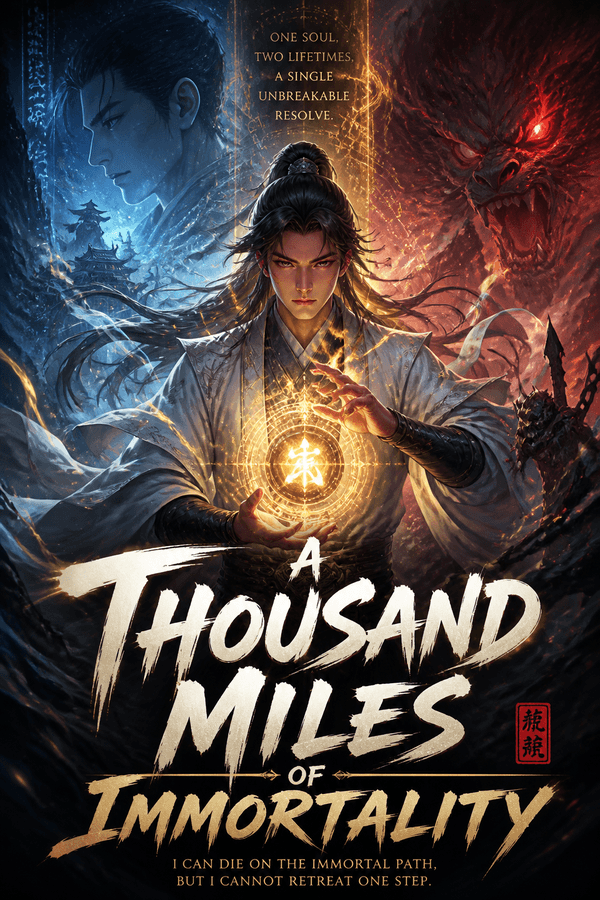
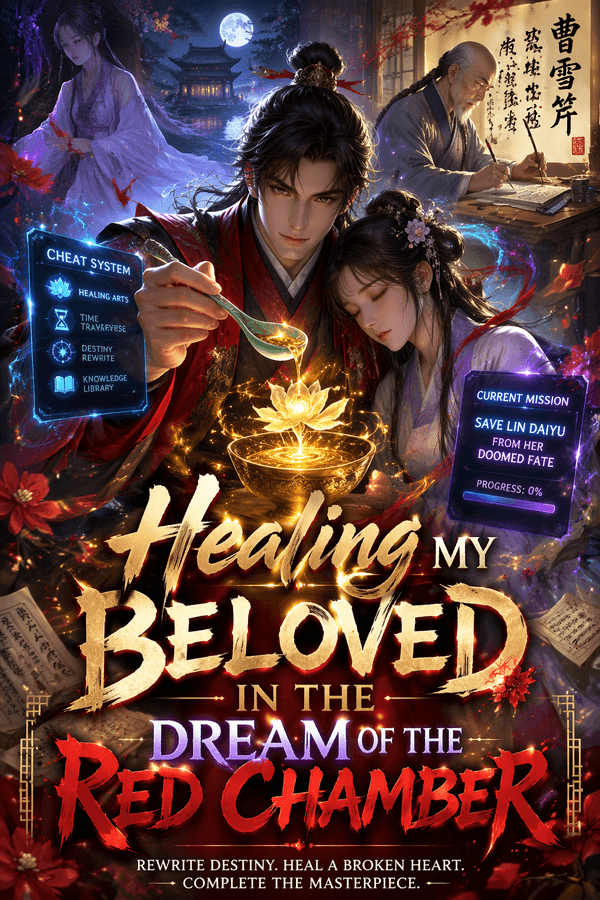
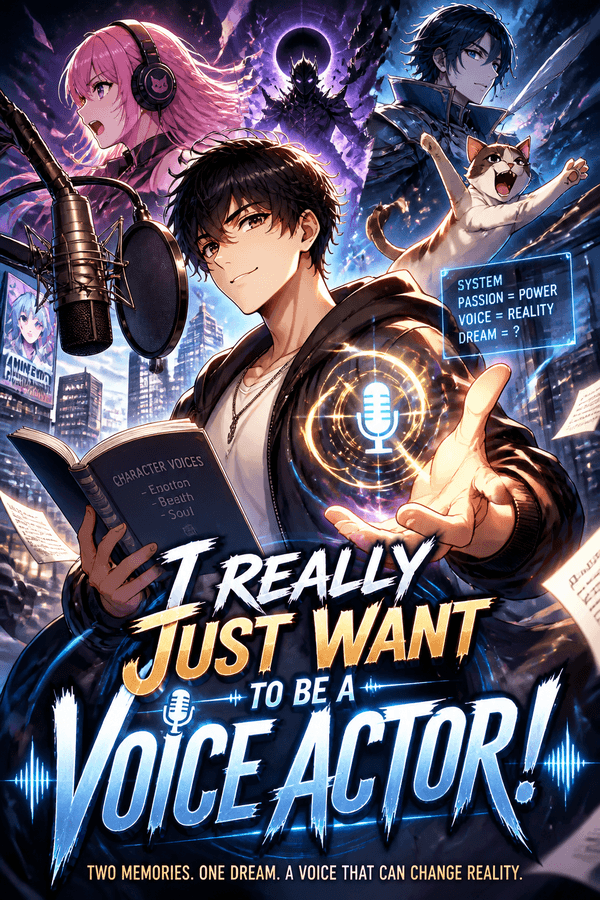
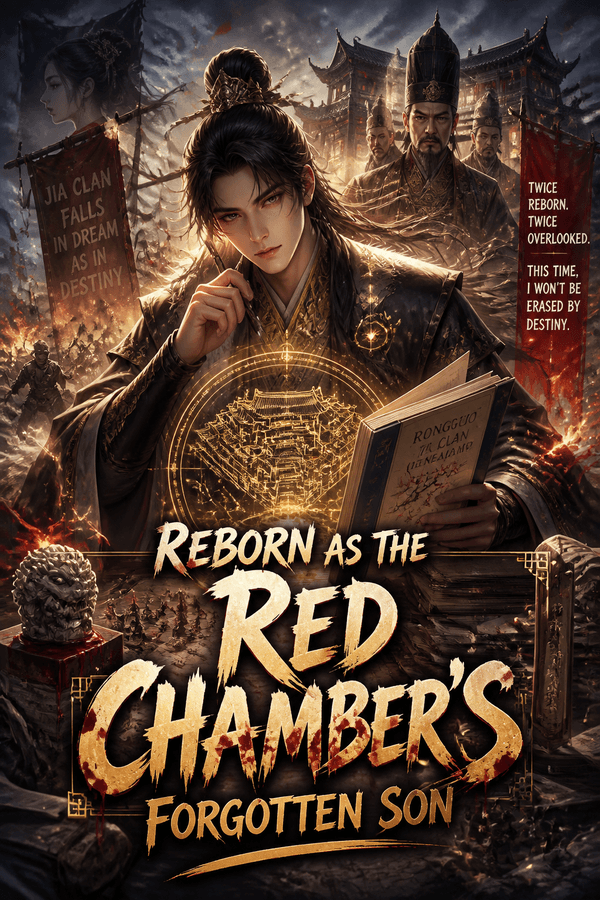
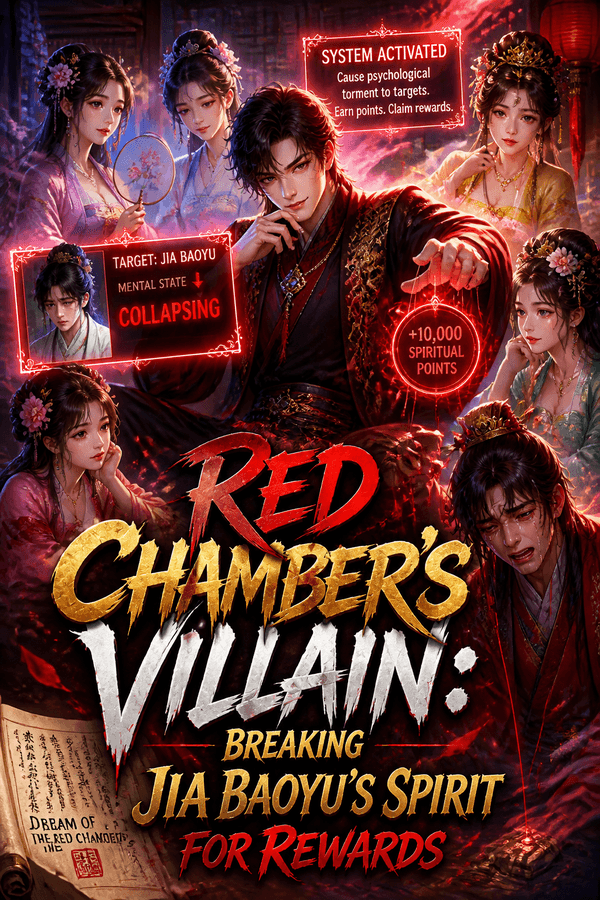
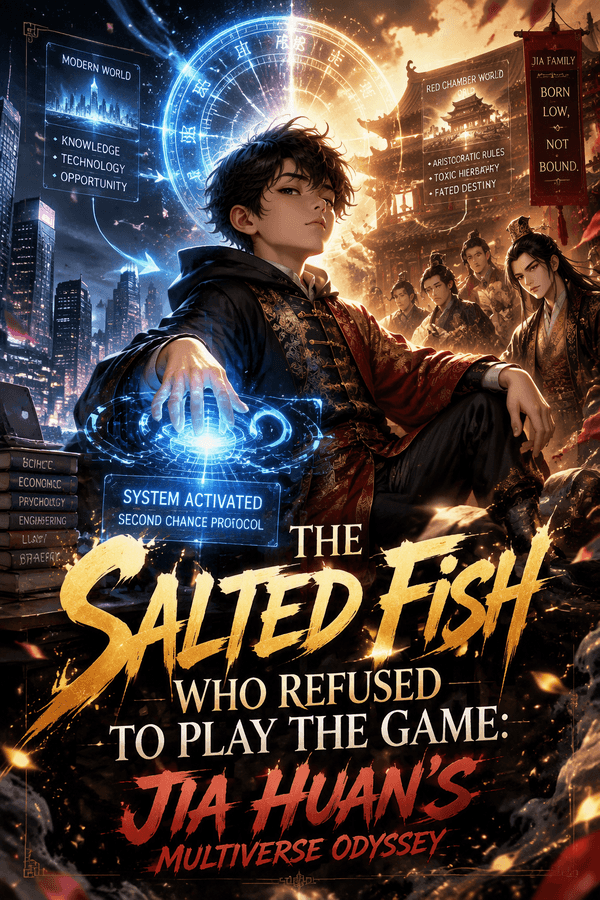
In these captivating narratives, the iconic atmosphere of the Dream of the Red Chamber is reimagined through the lens of modern reincarnation tropes. Protagonists don’t just inhabit the world of the Jia family; they arrive burdened with the memories of two distinct existences. This dual consciousness creates a fascinating tension, as characters must navigate the intricate social hierarchies and impending doom of the original novel while grappling with the knowledge of their own future—or their previous life’s regrets.
Readers are drawn to these stories for the psychological depth they provide. Watching a character attempt to rewrite the tragic fate of Lin Daiyu or Jia Baoyu while balancing their modern sensibilities creates a high-stakes drama that feels both nostalgic and refreshingly new. Whether they are seeking to change the course of history or simply survive the gilded cage of the Rongguo Mansion, the internal conflict of these dual-memory protagonists offers a fresh perspective on a timeless literary masterpiece.
These novels excel at blending classical elegance with the fast-paced intrigue of current web fiction. By integrating the 'dual memory' mechanic, authors transform the static plot of the original work into an interactive, unpredictable journey. It is a must-read for fans who love historical settings, intricate character studies, and the 'fix-it' narrative style where characters strive to turn a classic tragedy into a triumphant new reality.
Frequently asked questions
What are dual memory novels?
These are stories where the protagonist possesses memories from both their current life and a past life, often used to change the fate of the original story.
Why is this trope popular in Red Chamber stories?
It allows authors to explore 'what if' scenarios, enabling characters to avoid the original tragedy by using their foreknowledge.
Do I need to read the original book first?
While helpful for context, these web novels usually explain the setting well enough for new readers to enjoy the drama.
What makes these stories different from standard re-tellings?
The dual-memory element provides internal conflict, as the protagonist struggles to balance their modern personality with their historical identity.
Are these stories usually tragic?
Many aim for a 'fix-it' ending, where the protagonist actively works to prevent the sorrowful conclusion of the traditional source material.