The Moral Cost of Power: Dual Cultivation and Its Dark Consequences
In the world of cultivation, power often comes with a price that transcends simple training. Explore the complex ethical crossroads where intimacy meets ambition in the most intense xianxia tales.
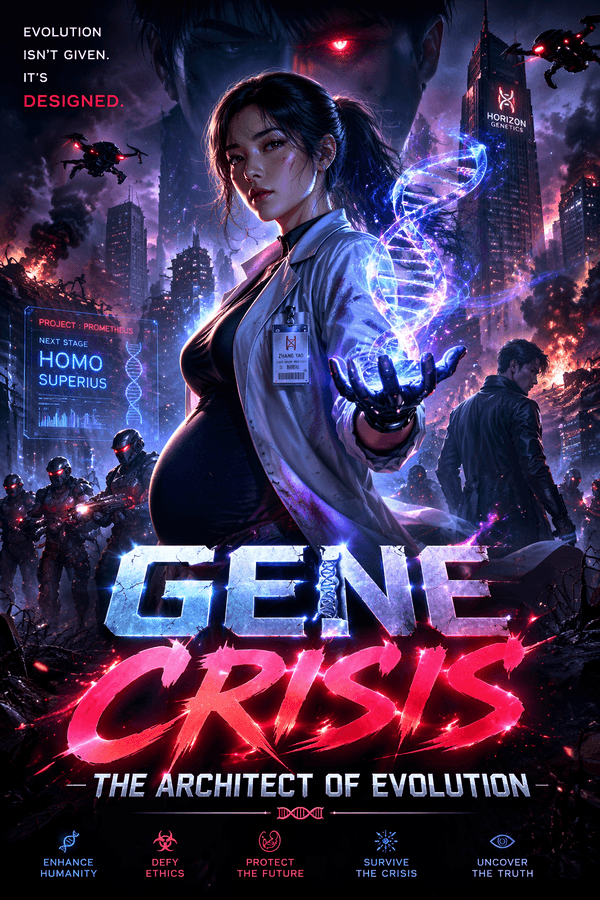
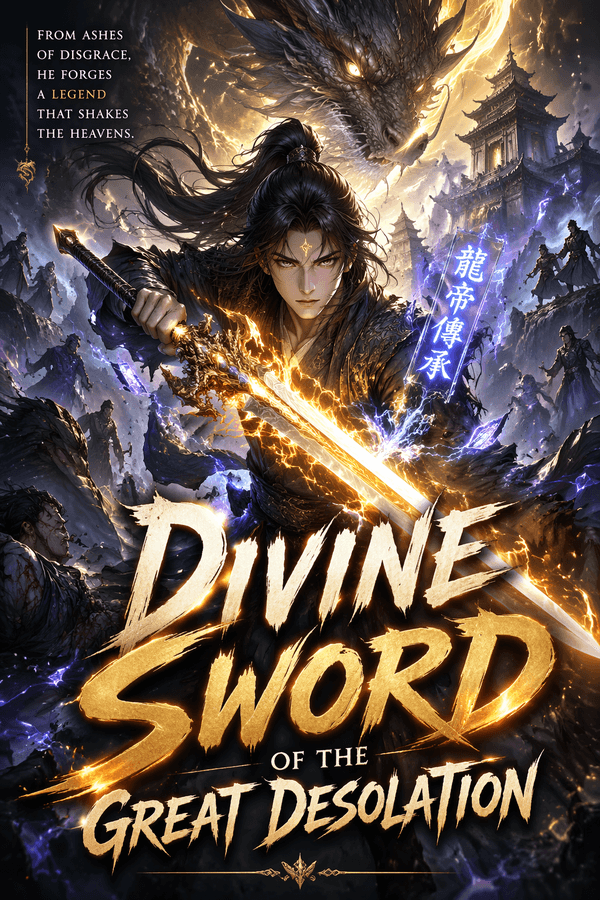
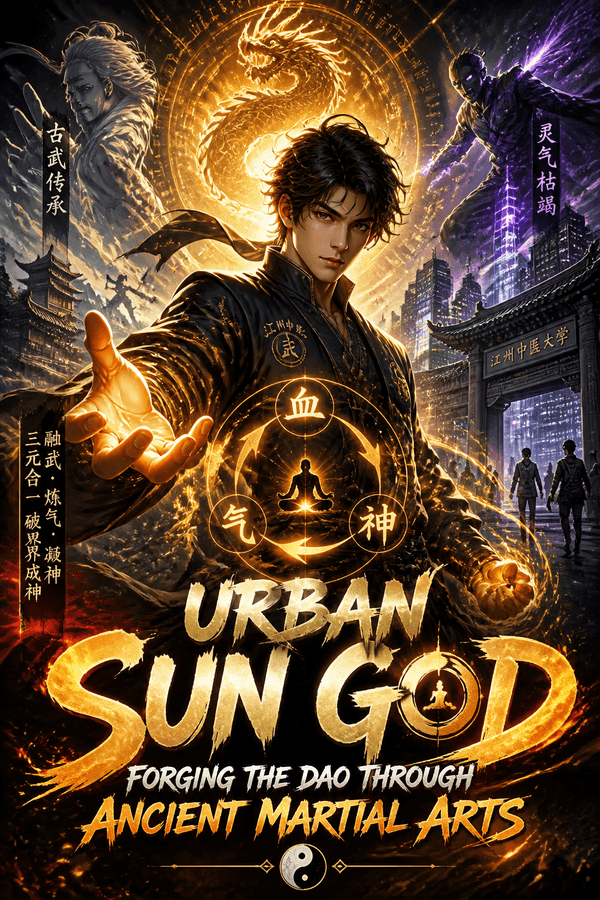
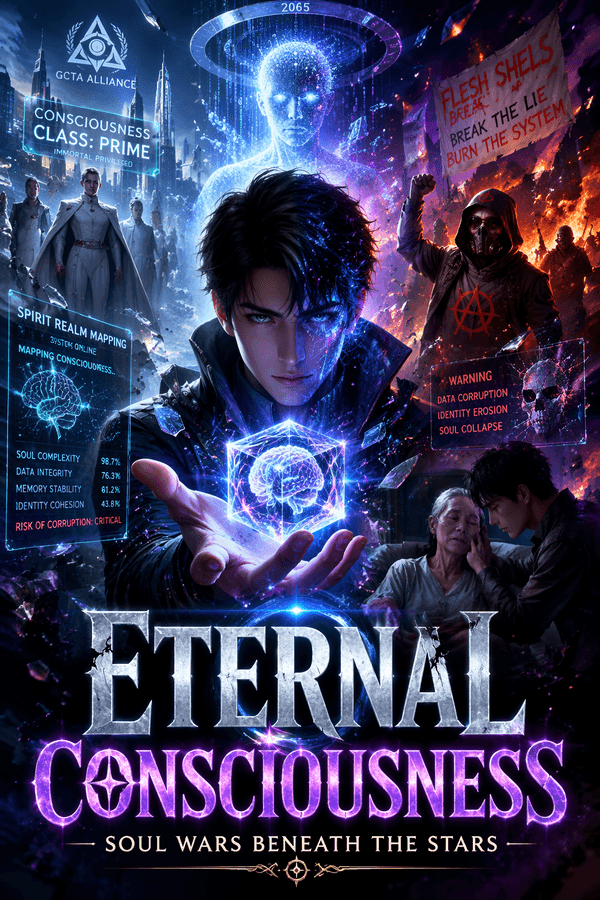
Dual cultivation is a staple of the web novel genre, representing a shortcut to godhood through the union of two practitioners. However, the most compelling stories aren't just about the benefits of shared energy; they are about the heavy moral burdens that accompany such profound intimacy. When the path to immortality requires the consent, sacrifice, or even the life force of another, the protagonist is forced to confront the true nature of their own humanity.
These narratives delve deep into the blurred lines between mutual growth and parasitic exploitation. Authors frequently challenge readers by placing their heroes in situations where the 'correct' choice is far from obvious. Should one prioritize their cultivation journey at the expense of a partner's autonomy, or sacrifice their path to power to protect the sanctity of their bond? These dilemmas transform standard power-fantasy tropes into gripping psychological dramas that keep readers questioning the motives of their favorite characters.
Ultimately, these stories explore themes of trust, betrayal, and the corrupting influence of absolute power. By centering the plot around the ethical weight of dual cultivation, these novels elevate the genre, proving that the most dangerous opponents aren't always external monsters, but the internal conflicts that arise when love and ambition collide. Join us as we dissect the most thought-provoking instances of this trope in modern web literature.
Frequently asked questions
What is the core conflict in dual cultivation tropes?
The conflict usually centers on the trade-off between rapid power gains and the moral implications of using another person's energy or life force.
Is dual cultivation always considered evil?
Not necessarily. Many novels distinguish between consensual, mutually beneficial cultivation and predatory, parasitic methods used by villains.
Why do authors use this trope?
It serves as a perfect vehicle for character development, forcing protagonists to make life-altering decisions that test their personal values.
Does this trope change the pacing of a story?
Yes, it often slows down the 'leveling up' process to focus on the emotional or ethical aftermath of the cultivation act.
Where can I find novels featuring these dilemmas?
Our platform features a curated selection of xianxia and cultivation novels that explore these deep, character-driven themes.