The Imposter vs. The True Heir: Rivalry and Dual Cultivation
When the long-lost daughter returns to reclaim her birthright, she finds her place stolen by an imposter—sparking a high-stakes battle of wits, power, and forbidden cultivation.
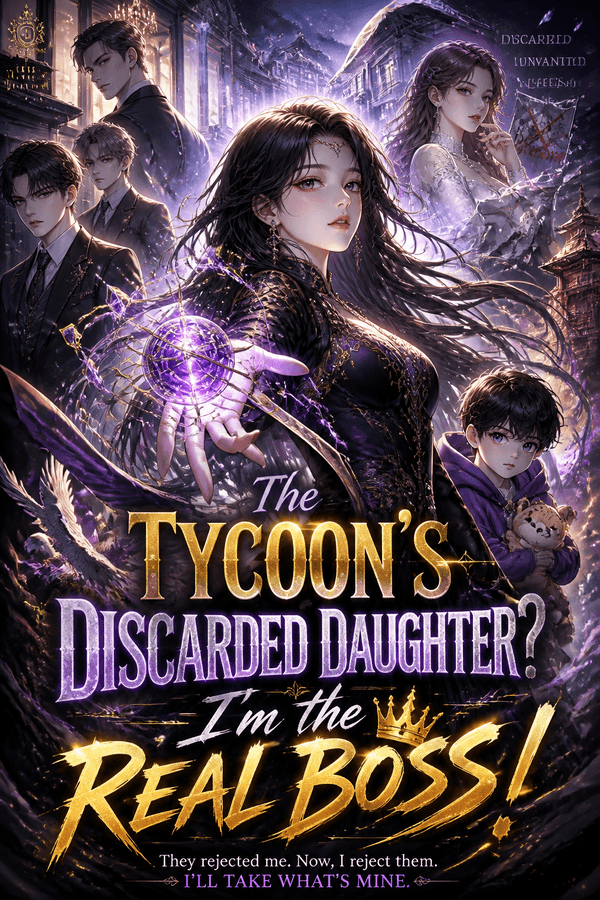
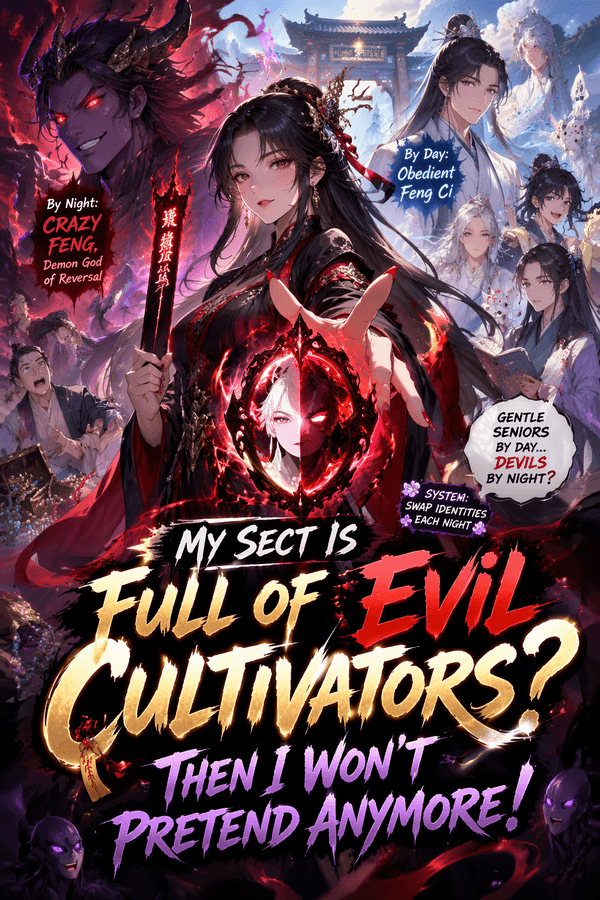
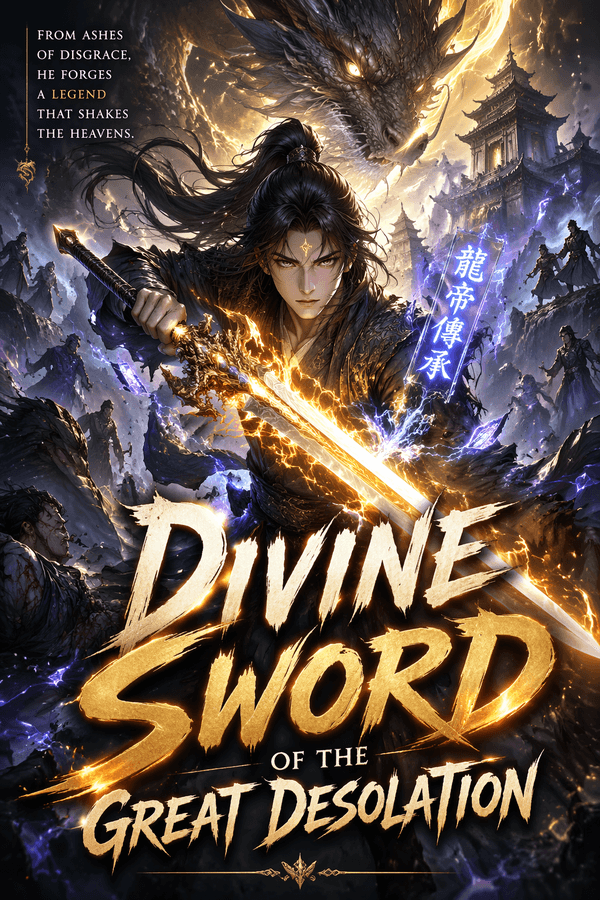
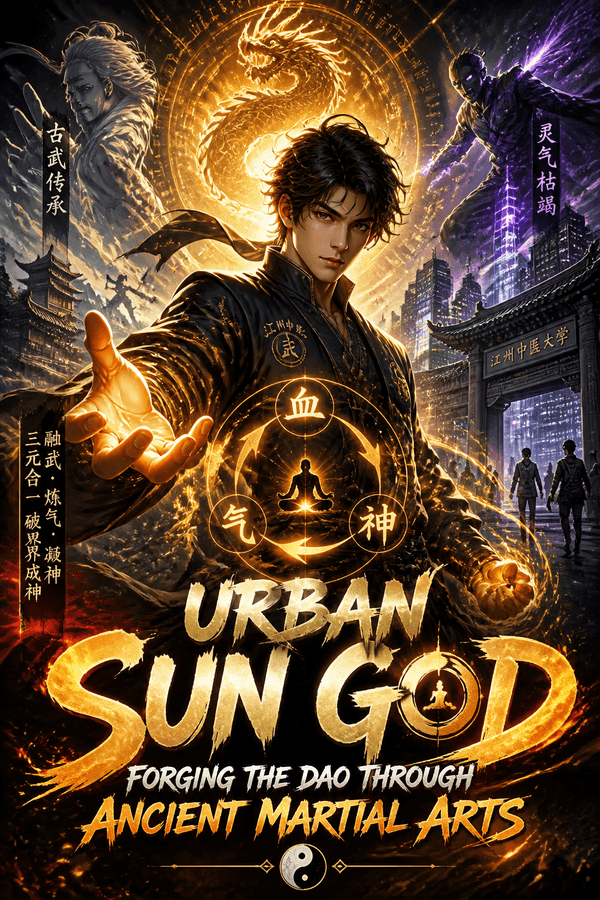
In the cutthroat world of cultivation, bloodlines define destiny. These stories center on the dramatic clash between a rightful heir returning from obscurity and the 'fake' daughter who has spent years curating her status. As tensions rise, the narrative takes a spicy turn: the introduction of dual cultivation. Forced proximity, strategic alliances, or desperate power-plays often lead these rivals—or their high-status love interests—into the intimate, energy-sharing arts of dual cultivation.
Readers love this trope because it combines the satisfaction of a 'reclaiming the throne' arc with the tension of complex romantic entanglements. Whether it is the fake daughter trying to seduce a powerful master to maintain her grip on power, or the true heir using dual cultivation to rapidly surpass her rival, the stakes are always personal. It is a genre defined by betrayal, hidden identities, and the volatile chemistry that arises when two people competing for the same life are forced to share their internal essence to survive.
Beyond the drama, these novels explore themes of identity and worth. Is the 'fake' daughter truly a villain, or a victim of a system that values lineage over ability? As the characters navigate the path of the immortal, they must decide if they will destroy each other or find a way to ascend together through the shared path of the dual cultivation method.
Frequently asked questions
What is the 'fake vs. real daughter' trope?
It is a popular plot where a long-lost biological daughter returns to her family, only to find an imposter has taken her place and status.
How does dual cultivation fit into these stories?
Dual cultivation is often used as a plot device to force intense interaction, power leveling, or as a strategic move to gain an advantage over a rival.
Are these stories usually romantic?
Yes, they heavily feature romance, often blending rivalry with deep emotional or physical intimacy as the characters' paths become intertwined.
Is the 'fake' daughter always the villain?
Not always! Many stories offer complex perspectives where the fake daughter is also a victim of the family's expectations and social pressure.
Why is this trope so popular?
It combines high-stakes family drama with the progression fantasy elements readers love, creating a perfect balance of conflict and character growth.