Sect Building and Resource Management Cultivation Novels
Forget solo heroes; discover the best cultivation stories where the path to immortality is paved with supply chains, trade routes, and sect administration.


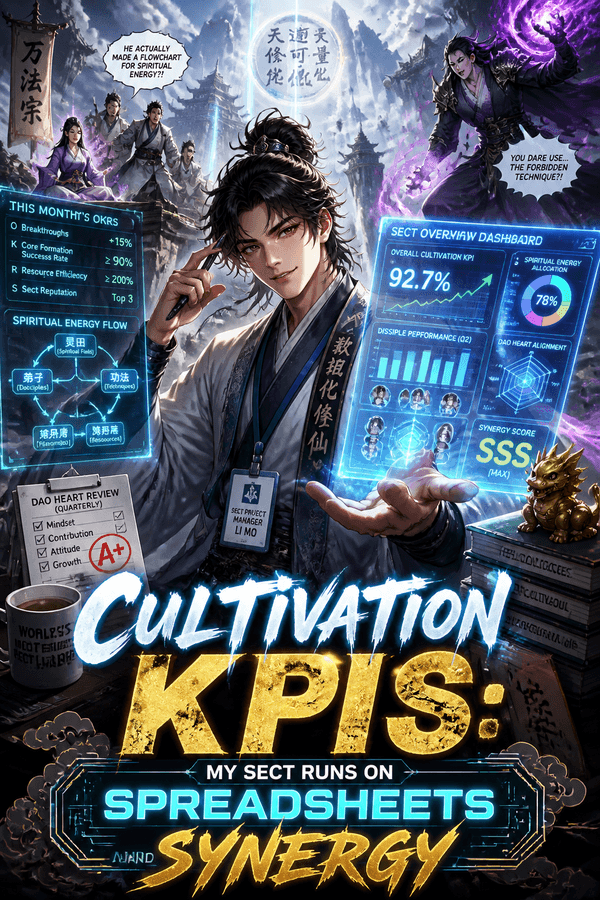

In the vast world of cultivation, most protagonists seek power through solitary meditation or blood-soaked duels. However, a growing subgenre focuses on the strategic brilliance required to build a sect from the ground up. These stories shift the spotlight from individual combat to the intricate logistics of managing resources, training disciples, and ensuring the economic stability of a burgeoning cultivation power.
These novels offer a grounded, satisfying progression where every spirit stone earned and every herb harvested feels earned. You will follow protagonists who treat their sect like a startup, optimizing alchemy production lines, establishing trade monopolies across spirit-vein borders, and managing the bureaucratic headaches that come with governing thousands of cultivators. It is the ultimate power fantasy for those who love city-builders and grand strategy games.
Whether it is managing the logistics of a war-torn frontline or developing a secret base into a sprawling heaven-defying city, these stories provide a refreshing change of pace. Dive into tales where intelligence, foresight, and logistical mastery are just as lethal as a legendary sword art.
Frequently asked questions
What is a management cultivation novel?
It is a subgenre where the protagonist focuses on building, expanding, and managing a sect or organization rather than just personal combat strength.
Are these stories slow-paced?
They often have a different pace, focusing on long-term growth and strategic planning, which many readers find deeply satisfying and immersive.
Does logistics play a major role in these plots?
Yes, logistics—such as managing food supplies, rare materials, and disciple hierarchy—is usually the core mechanic driving the plot forward.
Are there action scenes in these novels?
Absolutely. Strategic management often leads to large-scale sect wars, defense missions, and political maneuvering that involve plenty of action.
Why is this subgenre popular?
Readers enjoy the 'builder' aspect, where they get to see the tangible results of the protagonist's planning and administrative skills over time.