From Mercenary to Commander: Military Governance Sagas
Experience the gritty transition from the battlefield to the boardroom as battle-hardened mercenaries seize the reins of government.


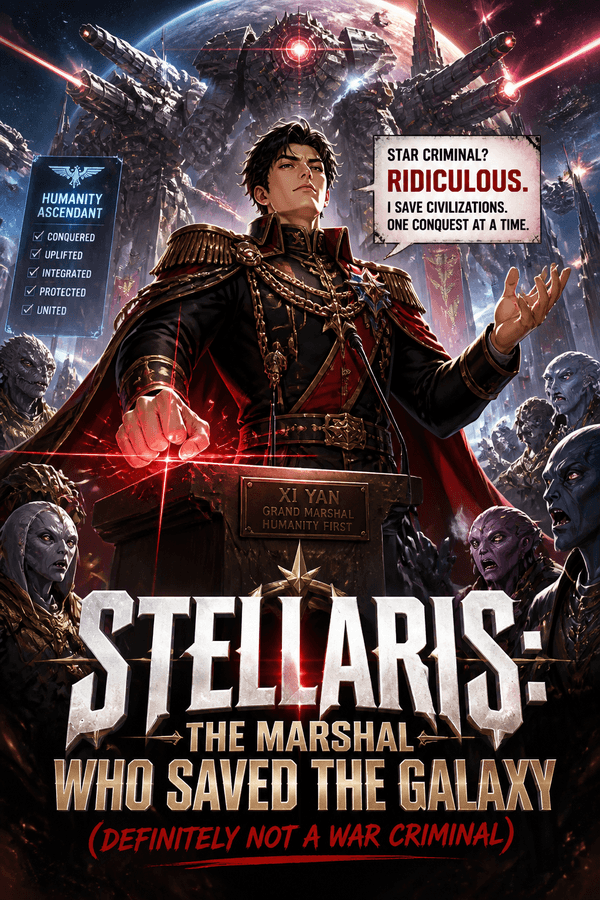
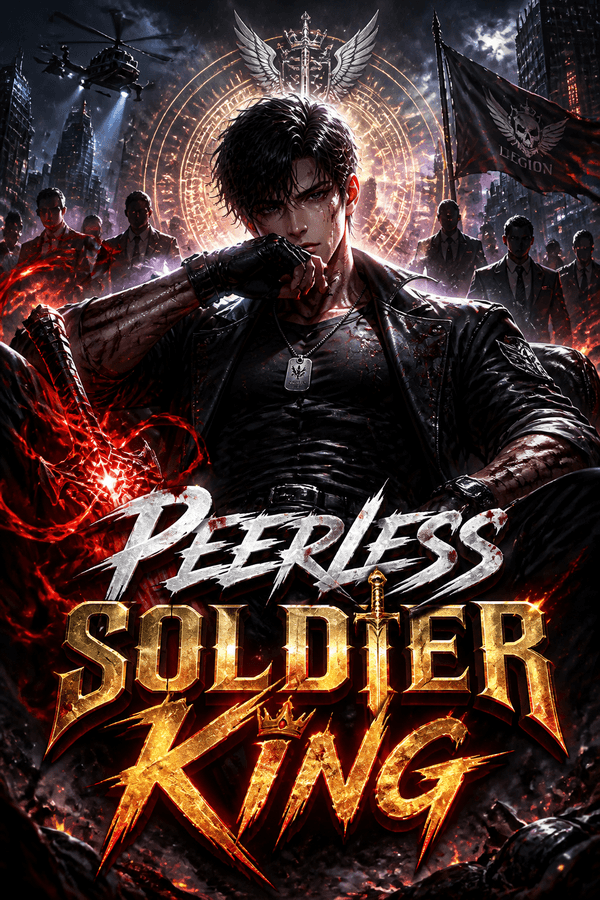
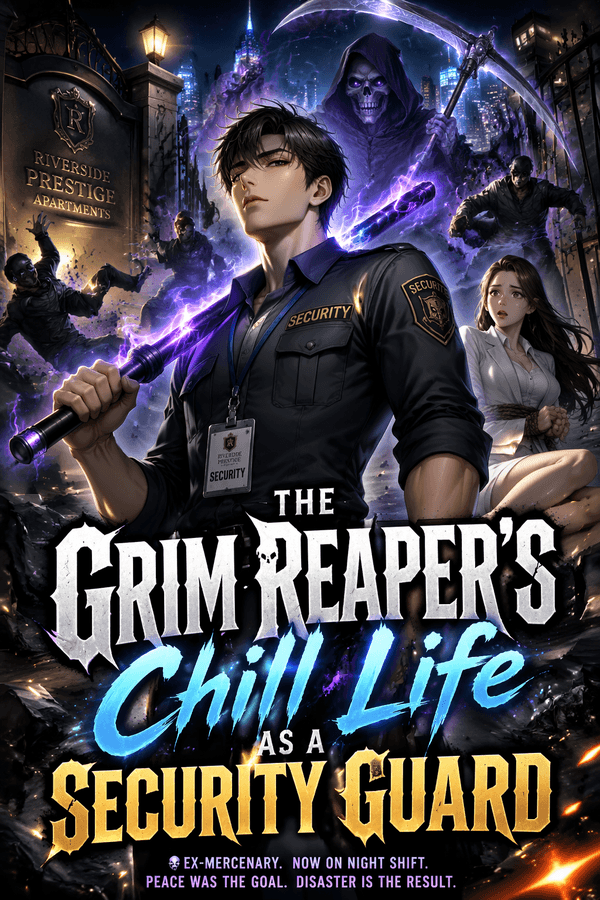
In these high-stakes narratives, the protagonist is far from a typical politician. Having spent years navigating the brutal reality of war zones as a hired gun, they possess a tactical brilliance that is as cold as it is effective. When these soldiers find themselves in positions of political power—whether through a calculated coup, a desperate appointment, or the collapse of a failing state—they treat governance like a military campaign.
Readers are drawn to the clash between traditional diplomacy and the ruthless pragmatism of a mercenary leader. These stories strip away the veneer of bureaucracy, focusing on how a commander maintains order in a chaotic world. You will witness the protagonist applying battlefield logistics to infrastructure, using special operations tactics to root out corruption, and dealing with allies who are as dangerous as the enemies they once fought on the front lines.
This subgenre excels at exploring the moral ambiguity of power. Can a man who made his living by the sword truly foster a lasting peace, or is he merely expanding his theater of operations? Each chapter is packed with intense political maneuvering, strategic warfare, and the heavy burden of leadership. If you crave stories where strength, discipline, and unconventional leadership reign supreme, dive into our curated collection of military governance novels today.
Frequently asked questions
What defines a mercenary-to-leader novel?
These stories focus on a protagonist with a combat background who uses their military experience to manage or take over a government or nation.
Are these stories mostly about war?
While combat is frequent, the primary focus is on how military logic, logistics, and discipline are applied to solve complex political and social problems.
Why is the mercenary background important?
It provides the protagonist with a unique, cynical, and highly efficient perspective that contrasts sharply with traditional, often ineffective, political figures.
Do these stories feature political intrigue?
Yes, political maneuvering is central. The protagonist must navigate conspiracies, backstabbing, and international diplomacy using their tactical skills.
Are these novels suitable for fans of strategy?
Absolutely. If you enjoy deep-dive strategy, resource management, and seeing how a leader organizes a society from the ground up, you will love this genre.