When the Obsessive Lead Breaks Character: Unmasking Hidden Depths
Ever wondered why your favorite obsessive protagonist suddenly acts out of character? Discover the hidden narrative shifts that transform intense fixation into surprising new growth.

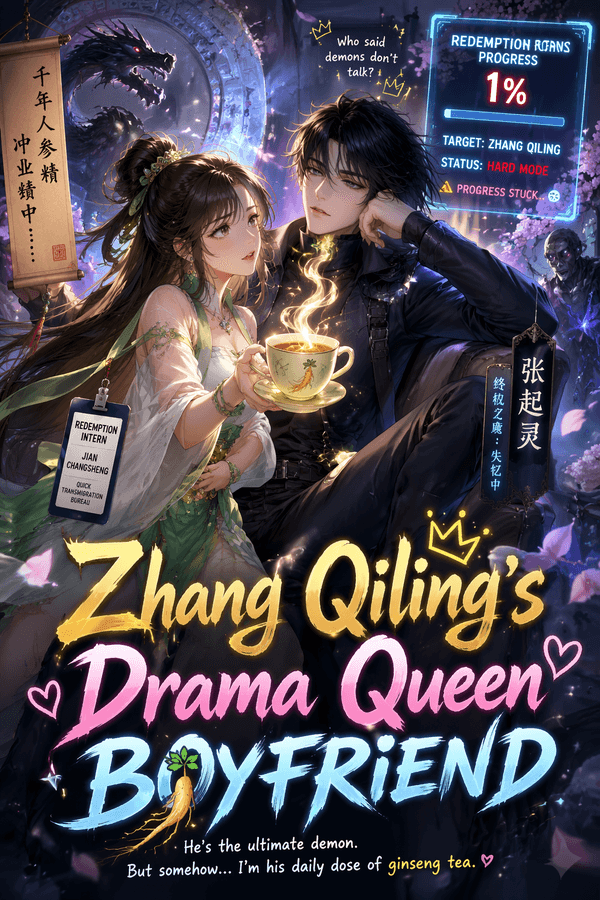
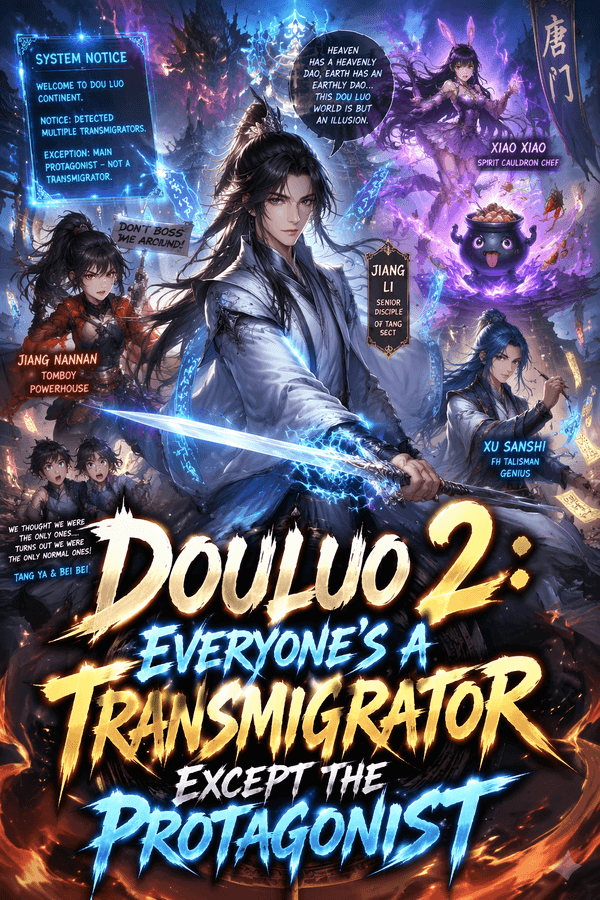

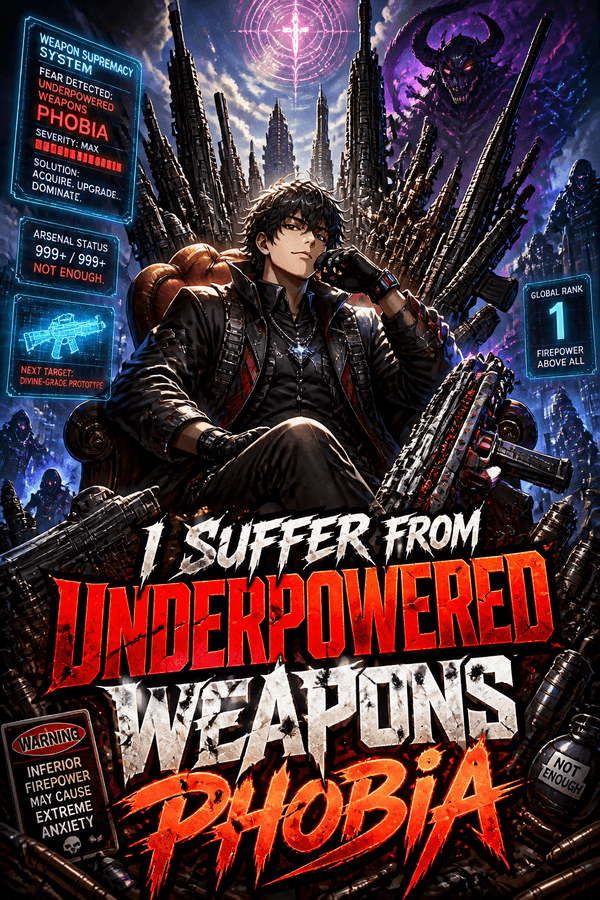
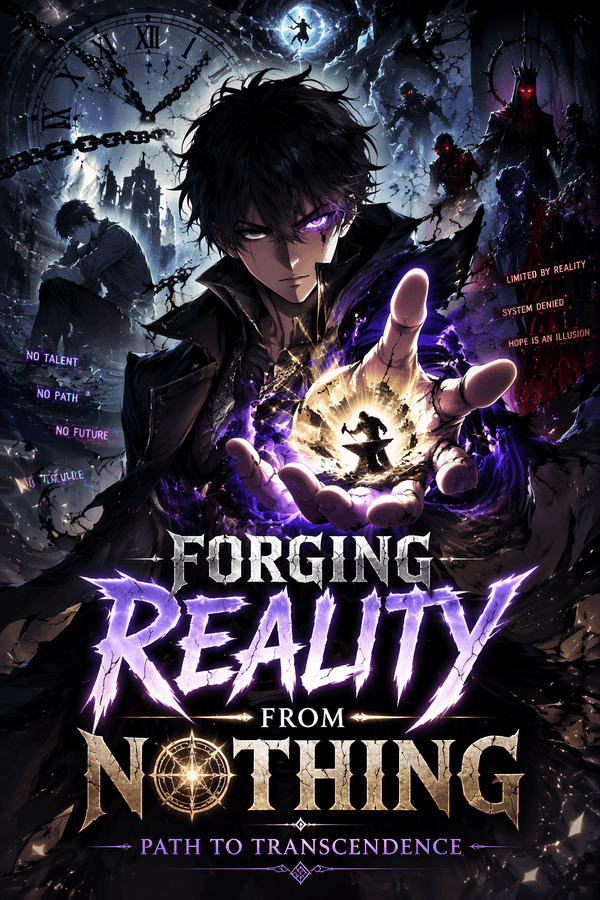

In the world of web novels, the 'obsessive protagonist' is a staple—a character driven by singular focus, whether it's revenge, love, or power. However, the most compelling moments often occur when these rigid figures experience a sudden, jarring shift in behavior. These 'out-of-character' moments serve as a narrative catalyst, forcing readers to question if the protagonist is truly changing or if they are revealing a hidden layer of their complex psyche.
These deviations often occur during high-stakes emotional beats, such as a moment of unexpected vulnerability or a rare act of selfless mercy. When a character known for cold calculation suddenly makes a rash, emotional decision, it creates a powerful tension that keeps readers hooked. It challenges the established status quo and forces the supporting cast—and the audience—to re-evaluate everything they thought they knew about the lead’s motivations.
Ultimately, these lapses in judgment are rarely mistakes by the author. Instead, they are deliberate tools used to humanize the obsessive lead, bridging the gap between a one-dimensional archetype and a multi-faceted hero. By exploring these moments, we gain deeper insight into the internal conflict that defines the genre, proving that even the most fixed obsessions can be disrupted by the unpredictable nature of the human heart.
Frequently asked questions
Why do obsessive protagonists suddenly act differently?
Authors use these moments to reveal hidden vulnerabilities or to show that the character is experiencing internal growth beyond their initial obsession.
Is an out-of-character moment always bad writing?
Not at all. When used correctly, it acts as a plot device to challenge the protagonist's worldview and keep the story’s tension high.
How can I tell if a character shift is intentional?
Look for how the surrounding characters react. If the story highlights the discrepancy, it is likely a deliberate choice to show the lead's instability.
Do these moments change the genre of the story?
They often shift the tone from a rigid character study to a more dynamic psychological drama, adding layers of complexity to the plot.
Where can I find novels with these character shifts?
Browse our psychological and character-driven tags to find stories where the protagonist's obsession is constantly put to the test.