The Apothecary’s Reality Check: When Potions Can’t Fix Everything
Step into a world where medical expertise meets harsh consequences. Discover stories where the protagonist's craft doesn't guarantee a flawless victory.
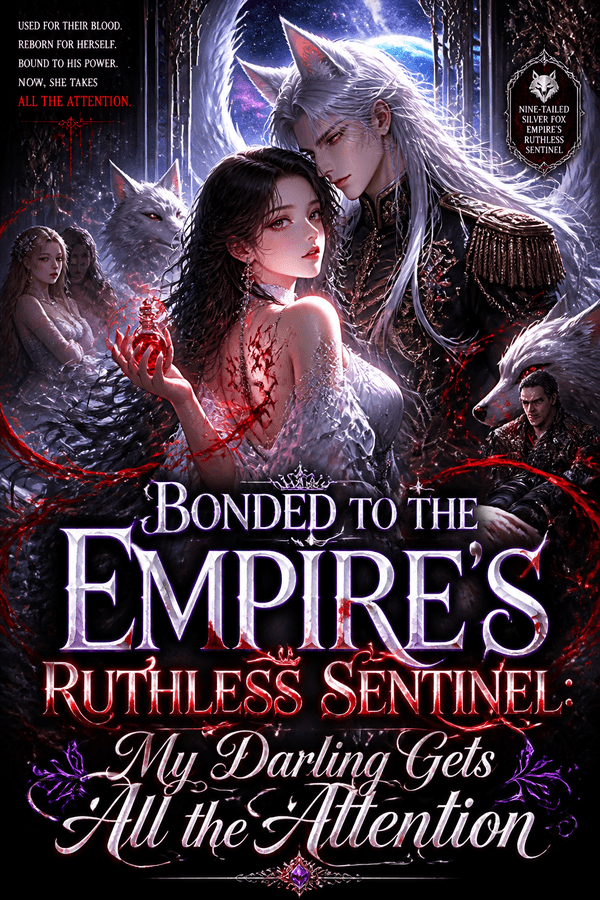
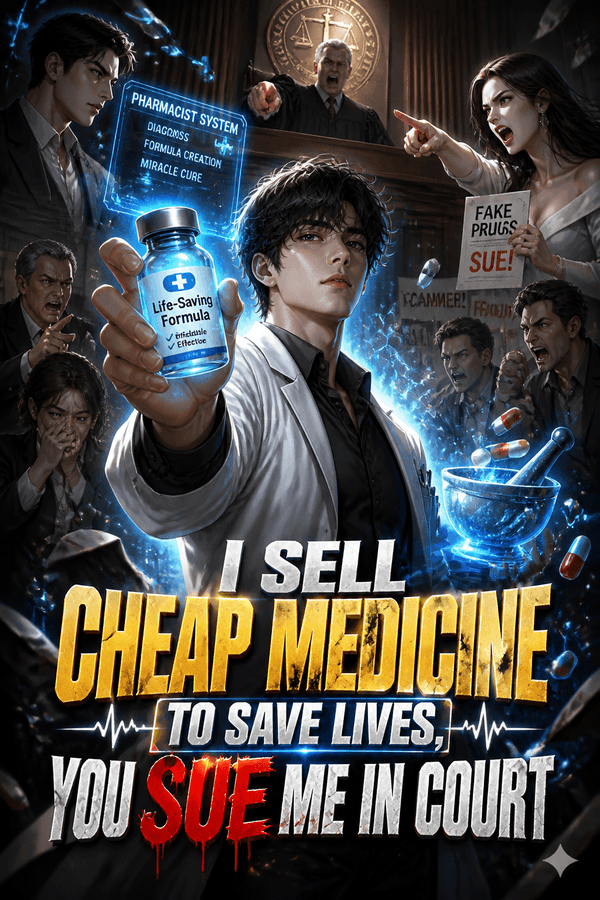
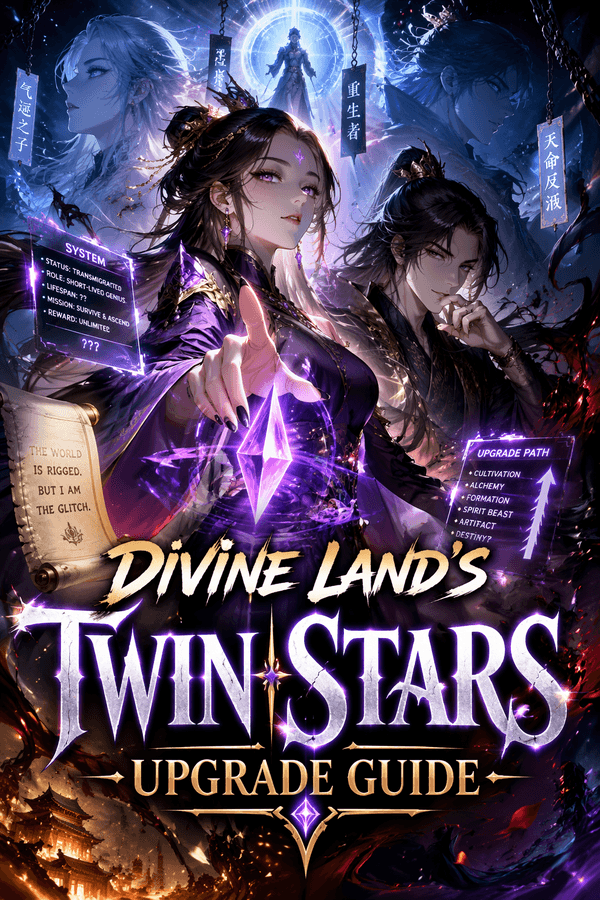

In many fantasy tales, the healer is an untouchable figure, protected by the sheer necessity of their role. However, this collection flips the script on the traditional pharmacist trope. Here, having the perfect antidote or a rare herb doesn't mean the protagonist is shielded from the brutal realities of their world. These stories delve into the limitations of alchemy and medicine, where brilliant diagnosis is often met with systemic failure, resource scarcity, or the cruel indifference of fate.
These narratives challenge the 'plot armor' often granted to support characters. Our protagonists aren't just brewing potions; they are navigating political intrigue, ethical dilemmas, and the terrifying realization that some wounds—physical or societal—cannot be healed with a simple tonic. By stripping away the convenience of magical recovery, these authors force their leads to rely on wit, grit, and sacrifice rather than just their inventory.
Whether you are a fan of grounded progression fantasy or gritty medical dramas, these novels offer a refreshing departure from standard tropes. Experience the tension of a high-stakes surgery performed in a war zone or the desperate search for ingredients in a dying world. It is time to see what happens when the healer is just as vulnerable as the patient, and every decision carries a heavy, irreversible cost.
Frequently asked questions
What makes these pharmacist stories different?
Unlike traditional 'healer' stories, these novels emphasize the limitations of medicine, realistic resource management, and the high cost of failure.
Do these protagonists have special powers?
They rely on scientific knowledge or alchemical skill rather than divine intervention, making their struggles feel grounded and high-stakes.
Is there still action in these novels?
Absolutely. The action is often more intense because the protagonist cannot simply 'heal' their way out of every dangerous situation.
Are these stories considered dark fantasy?
Many lean into the darker, more realistic side of fantasy, though the tone varies from political thrillers to survival-focused adventures.
Why is 'plot armor subversion' important here?
It keeps the reader guessing. When the protagonist can't rely on narrative protection, every medical trial and adventure feels genuinely perilous.