Slow-Life Fantasy: Mastering the Frontier and Farmstead
Trade the battlefield for the barnyard in these immersive stories where magic meets the honest, hard work of rural life.
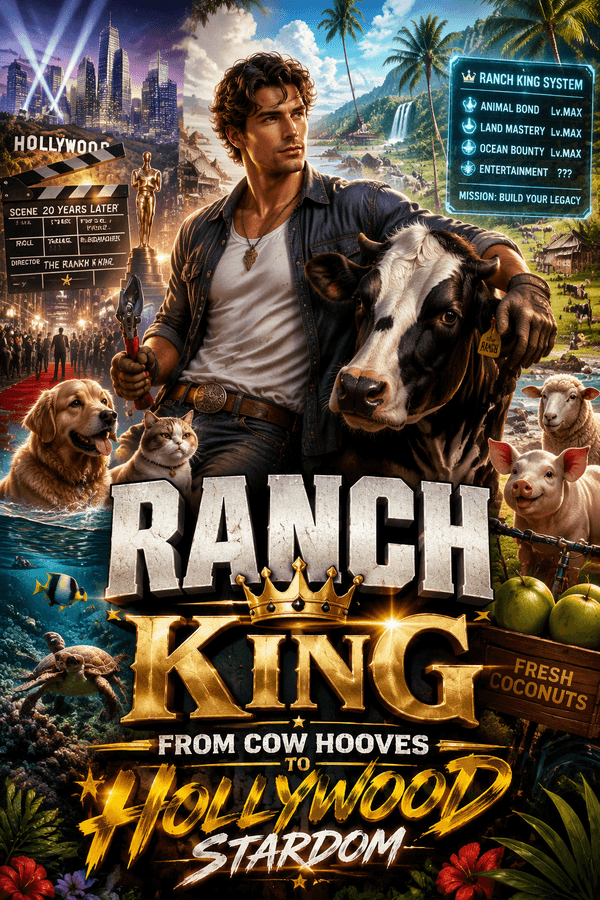


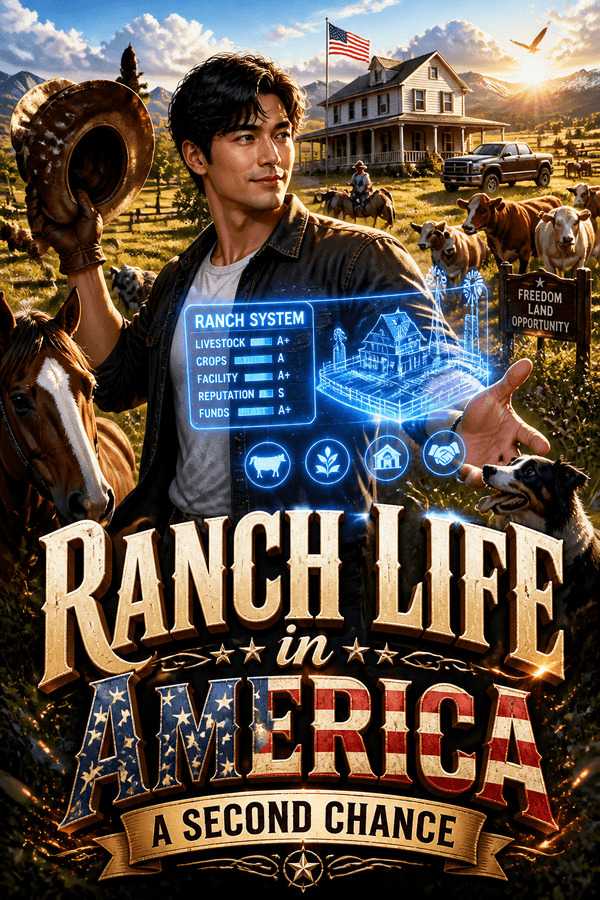
Step away from the high-stakes drama of world-ending threats and enter a world where the greatest challenge is a harsh winter or a bumper crop. These realistic fantasy novels ground their magical settings in the tangible, gritty details of ranching and agriculture. Instead of leveling up through combat, protagonists focus on sustainable living, livestock management, and building a homestead from the ground up against the backdrop of a fantastical wilderness.
What makes this subgenre so compelling is the meticulous attention to detail. Whether it is learning how to irrigate fields using elemental spells or navigating the trade routes of a frontier town, these stories offer a satisfying 'slice-of-life' progression. You will follow characters who value the rhythm of the seasons over the chaos of the throne room, finding deep fulfillment in the quiet triumph of a well-tended pasture or a thriving herd of magical beasts.
Perfect for readers who crave a 'cozy' yet grounded reading experience, these novels bridge the gap between escapist fantasy and the rewarding reality of homesteading. It is a slow-burn journey that celebrates self-reliance, community, and the simple beauty of working the land. From taming wild mounts to perfecting the art of magical alchemy in the kitchen, these stories prove that the most epic adventures often happen right in your own backyard.
Frequently asked questions
What defines a ranch-life fantasy novel?
These stories focus on the daily operations of a farm or ranch within a fantasy setting, prioritizing resource management, creature husbandry, and rural survival over traditional combat.
Are these stories considered 'cozy' fantasy?
Many are, though they often include elements of realism and grit. They focus on the satisfaction of building a life rather than epic quests.
Do these books feature magic?
Yes, magic is usually integrated into the farming process, such as using spells to accelerate plant growth, protect livestock, or manage weather patterns.
Is there any action in these novels?
While the pace is slower, action usually stems from environmental challenges, predators, or defending the homestead rather than political wars.
Why is this genre becoming so popular?
Readers are increasingly drawn to 'slow-life' narratives that provide a relaxing, tangible sense of progression and accomplishment in a fantasy world.