Historical Manor Management: Building Empires in Period Dramas
Step into the opulent world of traditional estates where shrewd real estate moguls navigate complex social hierarchies to build their property legacies.
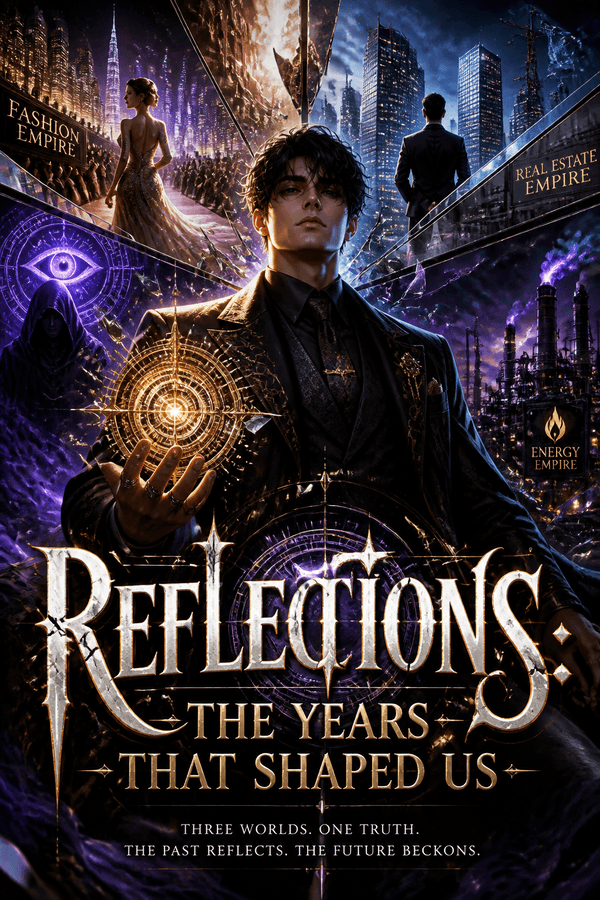

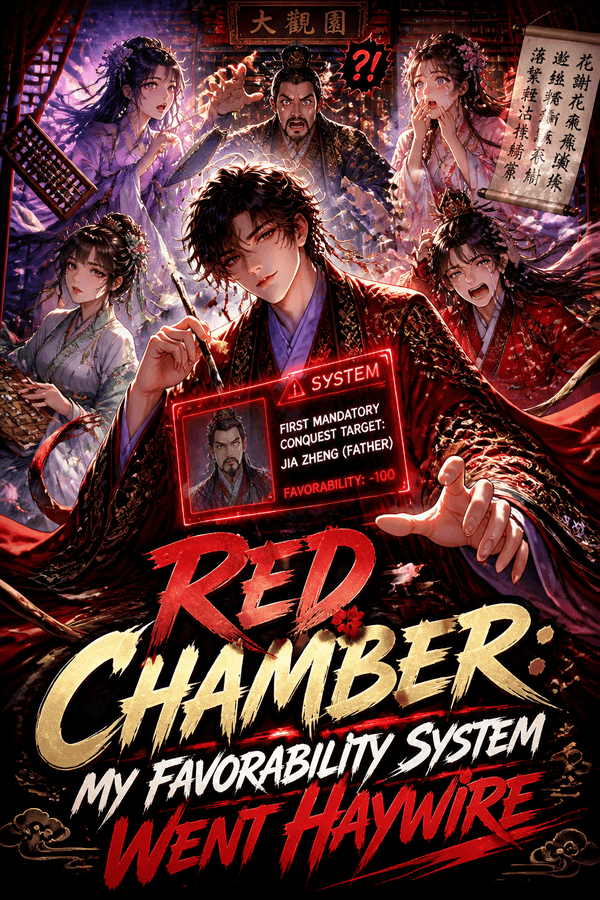

In these captivating tales, the grandeur of historical manors meets the cutthroat world of modern business strategy. Our protagonists are not merely nobles or scholars; they are visionary real estate tycoons who have been transported into lavish period settings. Armed with architectural knowledge, urban planning expertise, and a ruthless eye for market value, they transform decaying ancestral homes into thriving commercial centers and high-value residential hubs.
Readers love these stories for the satisfying blend of period-accurate aesthetics and the fast-paced thrill of property development. You will follow the protagonist as they navigate internal family politics, restore crumbling pavilions to their former glory, and outmaneuver rivals who underestimate their focus on land acquisition. Whether it’s negotiating land rights with stubborn aristocrats or optimizing the layout of a sprawling estate for maximum profit, these novels turn property management into an epic power struggle.
Beyond the business dealings, these stories explore the clash between ancient traditions and modern economic ambition. As the protagonist renovates the landscape, they often inadvertently reshape the social fabric of the era itself. Dive into a genre where every brick laid and every contract signed is a step toward total dominance in a world of silk, scandal, and strategic real estate investment.
Frequently asked questions
What defines a real estate tycoon trope in a historical setting?
It focuses on a protagonist using modern business and construction knowledge to renovate, manage, or expand large properties within a historical period.
Are these stories purely about business?
No, they balance complex property management with political intrigue, family drama, and the social challenges of living in a historical era.
Why is this trope popular?
Readers enjoy the 'satisfying transformation' aspect, watching run-down estates become profitable, influential landmarks under the hero's guidance.
Can I find romance in these novels?
Yes, many of these stories feature slow-burn romances that develop alongside the protagonist's business ventures.
Is the focus on realistic architecture?
While it varies by author, many stories emphasize the technical side of restoration and the strategic value of land placement.