Sent-Down Youth: Reborn to Reclaim a Stolen Life
Transported back to the harsh realities of the countryside, our protagonist returns with the wisdom of the future to settle old scores and rewrite their destiny.



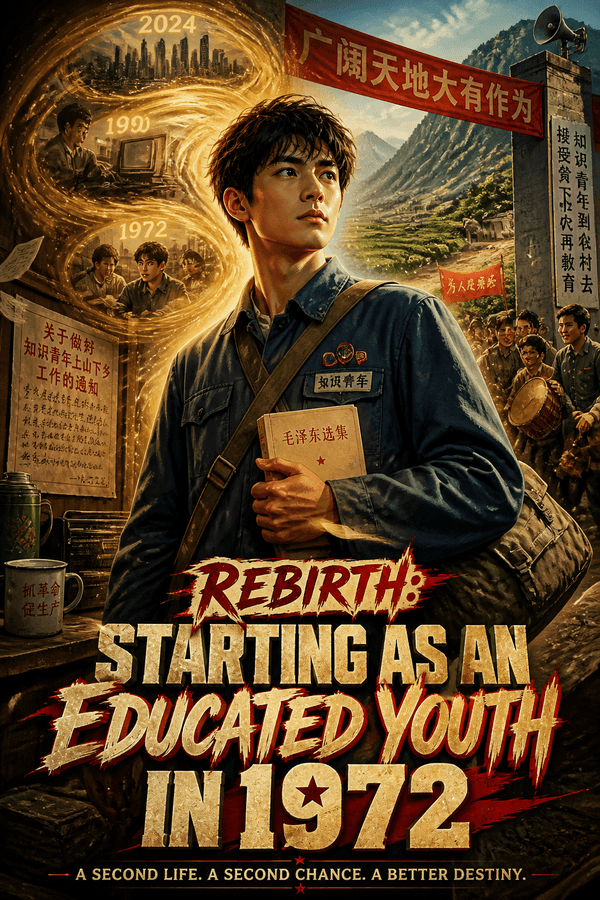

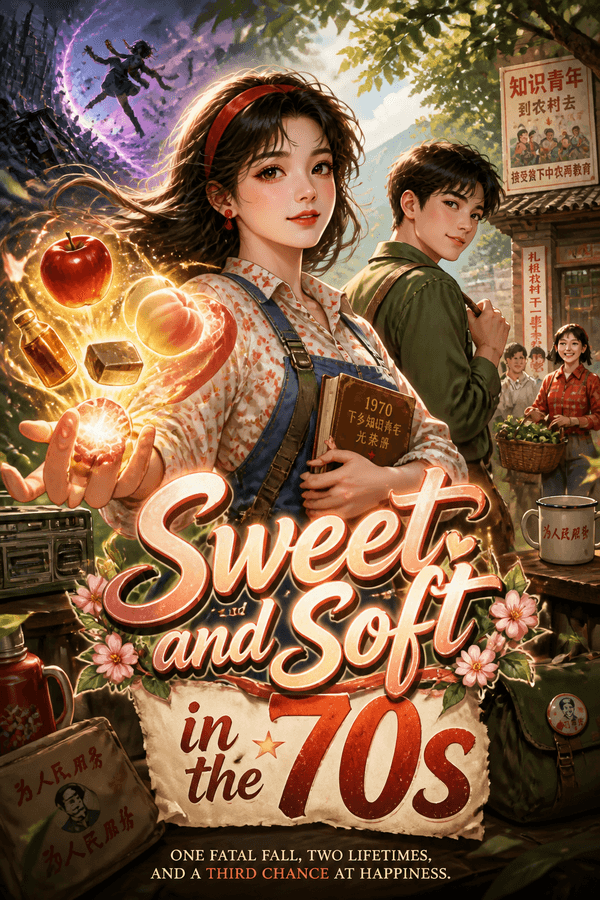
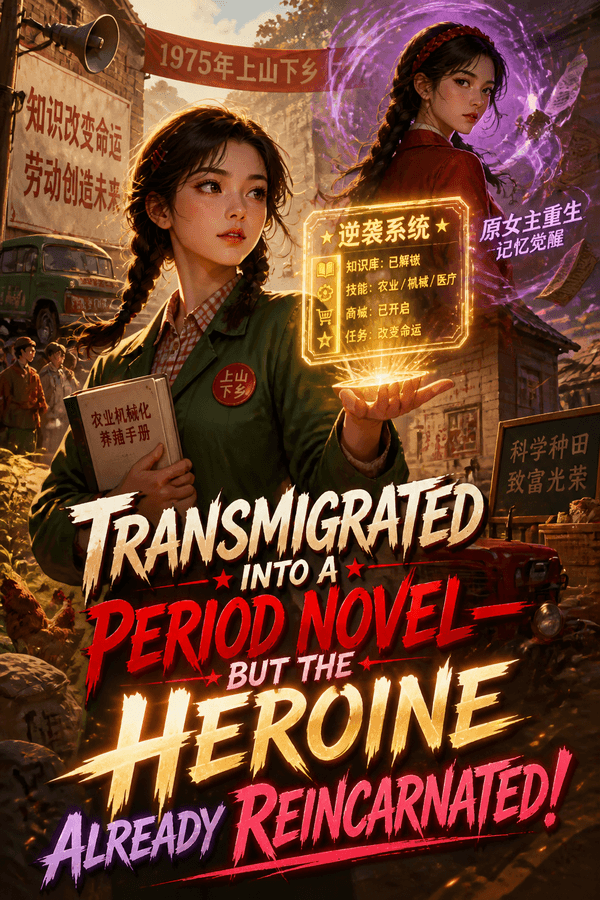
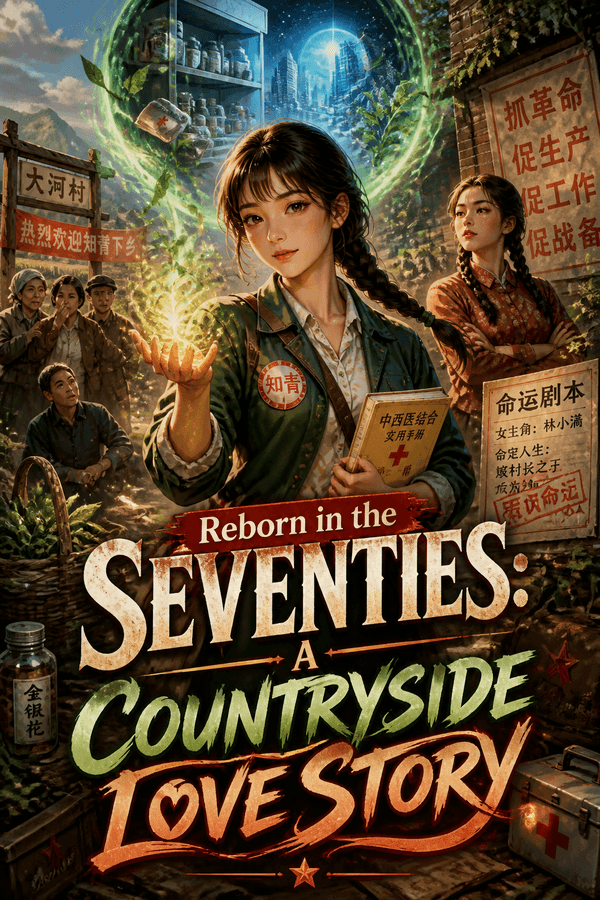




The 'Sent-Down Youth' genre takes readers on a poignant journey back to the historical backdrop of the 1960s and 70s, where young urbanites were sent to rural villages for labor and re-education. When combined with the high-stakes thrill of a rebirth narrative, these stories transform from simple period dramas into gripping tales of retribution. The protagonist, having suffered betrayal, poverty, or tragic loss in their previous life, wakes up in their younger body—often just as they are about to board the train to the countryside.
Armed with the knowledge of future events, the protagonist navigates the scarcity and political complexities of the era with calculated precision. They no longer fall for the traps of manipulative relatives or deceitful peers who once ruined their future. Instead, they use their foresight to secure resources, protect their loved ones, and climb toward a life of prosperity that was denied to them before. It is a deeply satisfying subgenre that blends historical nostalgia with the cathartic justice of a second chance.
Whether it is about reclaiming stolen academic opportunities, outsmarting rivals in the village, or finding genuine love amidst the hardship, these novels celebrate resilience and the power of changing one's fate. Readers are drawn to the intricate power dynamics and the emotional payoff as the hero systematically dismantles the injustices of the past. Dive into these stories where every decision counts, and the future is finally in the protagonist's own hands.
Frequently asked questions
What defines the Sent-Down Youth genre?
It refers to stories set during the era when urban youth were sent to rural areas for labor, focusing on the cultural and personal challenges of that time.
Why is the rebirth element so popular in these stories?
Rebirth adds a satisfying layer of justice, allowing the protagonist to avoid past mistakes and outmaneuver those who wronged them.
Are these novels historically accurate?
While they utilize the historical setting for atmosphere and conflict, they are primarily works of fiction that prioritize character growth and revenge plots.
What should I expect from the protagonist's journey?
Expect a transformation from a victim of circumstance to a proactive leader who uses future knowledge to thrive in a difficult environment.
Are these stories purely about revenge?
While revenge is a key driver, these novels also focus on personal growth, building new relationships, and achieving success against all odds.