Dystopian Class Divides: Life in a Ruined World
Explore gripping tales where the remnants of civilization are divided by walls, wealth, and survival. Witness the stark contrast between the elite in their ivory towers and the survivors struggling in the ruins below.
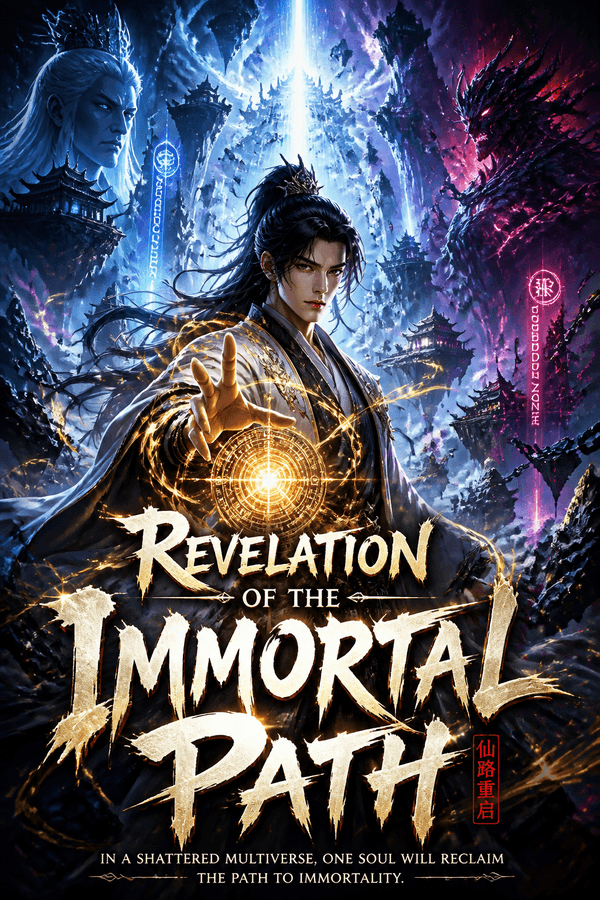
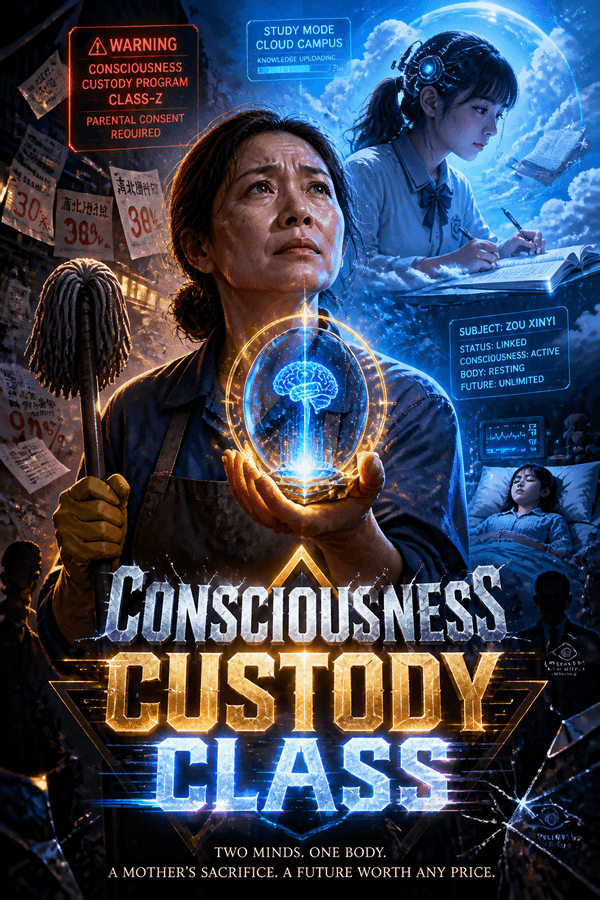
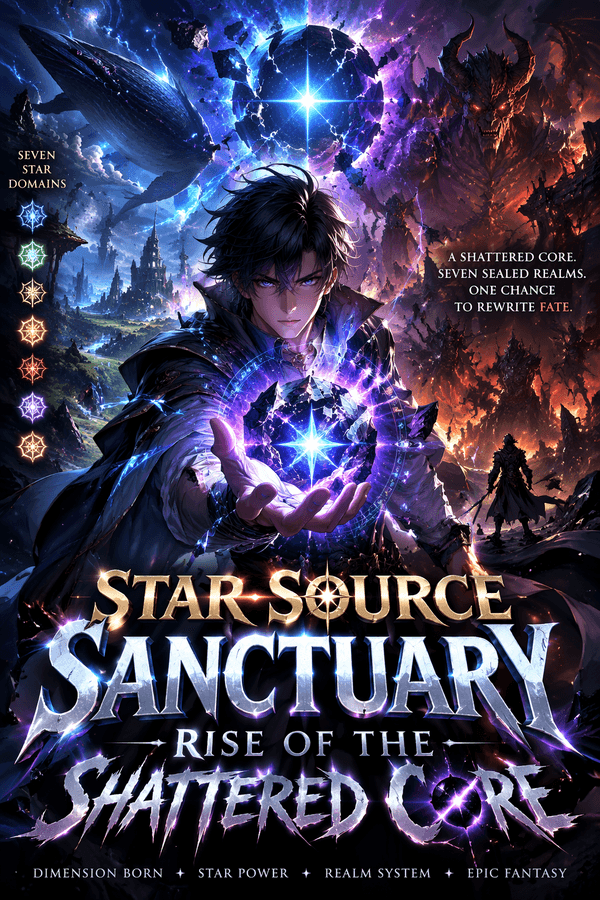
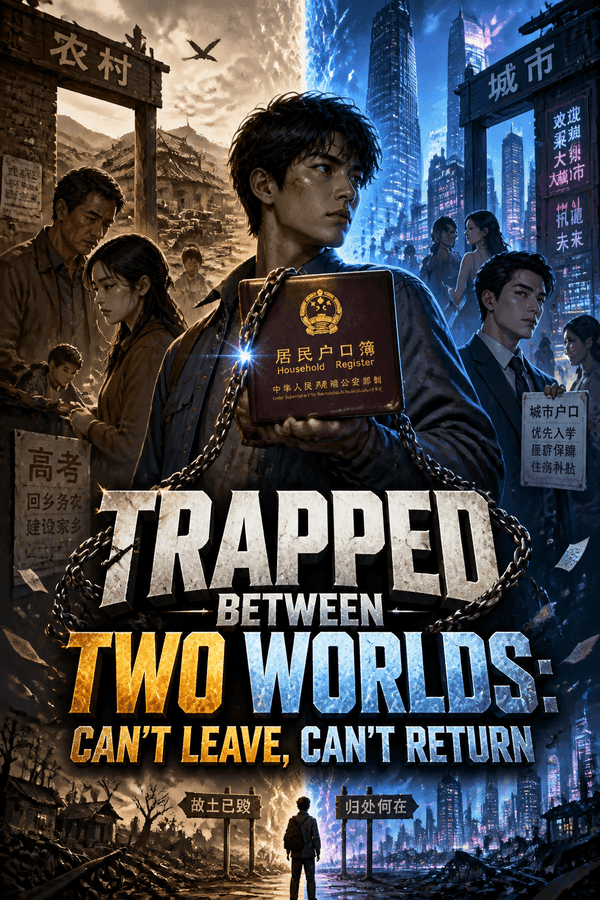
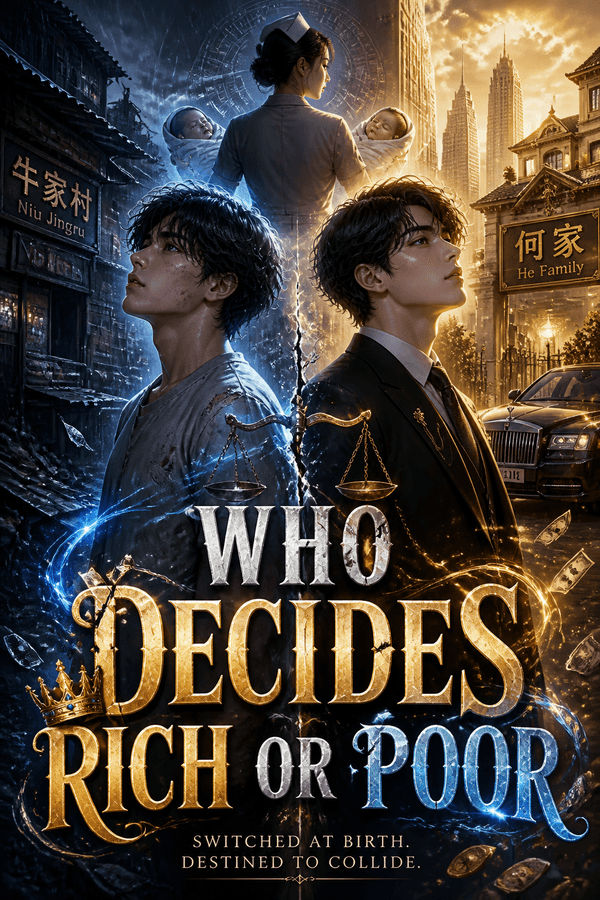
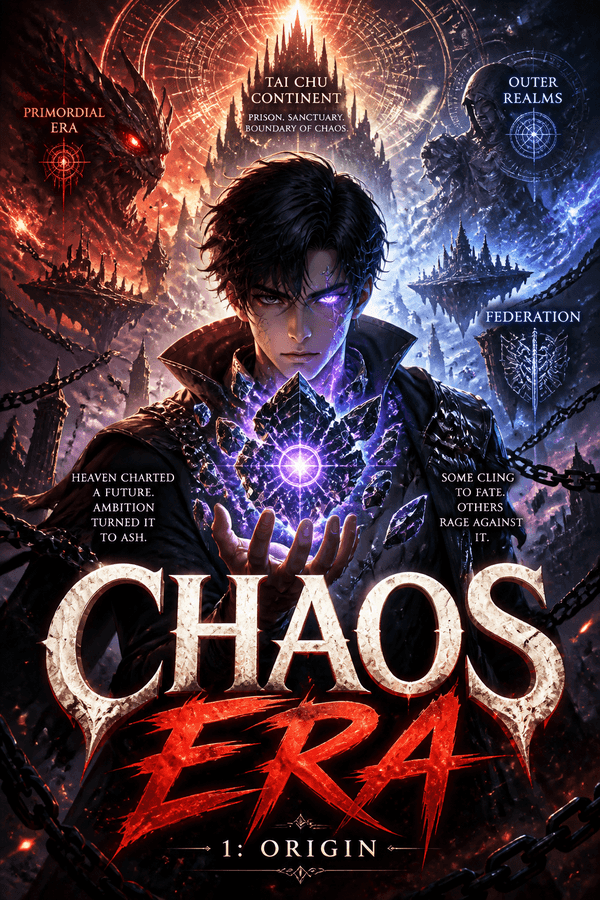


In these post-apocalyptic landscapes, the collapse of society didn't bring equality; it merely redefined the hierarchy. Whether it’s a floating city reserved for the wealthy while the masses scavenge the toxic surface, or a walled metropolis where citizenship is a luxury only the elite can afford, these stories masterfully dissect the friction between the haves and the have-nots.
Readers are drawn to this trope because it transforms abstract social issues into visceral, high-stakes drama. The protagonists are often outsiders or rebels from the lower strata who must navigate treacherous political landscapes, uncover systemic corruption, and fight to dismantle the barriers that keep their people oppressed. It is a powerful exploration of human resilience against the backdrop of a broken world.
From gritty cyberpunk slums to desolate, resource-starved wastelands, the setting itself becomes a character. As the tension between the ruling class and the marginalized reaches a breaking point, you’ll find yourself cheering for the underdog. Dive into our collection of dystopian novels where every page turn offers a new perspective on justice, power, and the struggle for a better tomorrow in a world that has already seen its end.
Frequently asked questions
What defines the 'shattered world' trope?
It refers to settings where civilization has collapsed, leaving behind a fragmented society where resources are scarce and social structures are skewed.
Why is social inequality a popular theme in dystopian fiction?
It allows authors to mirror real-world societal issues, making the struggle for justice and equality feel more urgent and impactful for the reader.
Are these stories always dark and depressing?
While the settings are often grim, the stories usually focus on the triumph of the human spirit, rebellion, and the fight to build a better future.
Can I find romance in these settings?
Yes, many of these novels feature 'star-crossed lovers' from different social classes, adding a layer of personal tension to the political conflict.
What kind of protagonists are common in these novels?
Protagonists are typically underdogs—scavengers, rebels, or outcasts—who challenge the status quo and expose the corruption of the ruling class.