Lone Blade, Hidden Riches: The Wandering Treasure Hunter
Step into the boots of a solitary master of the blade, where every dusty map leads to ancient secrets and untold fortunes.

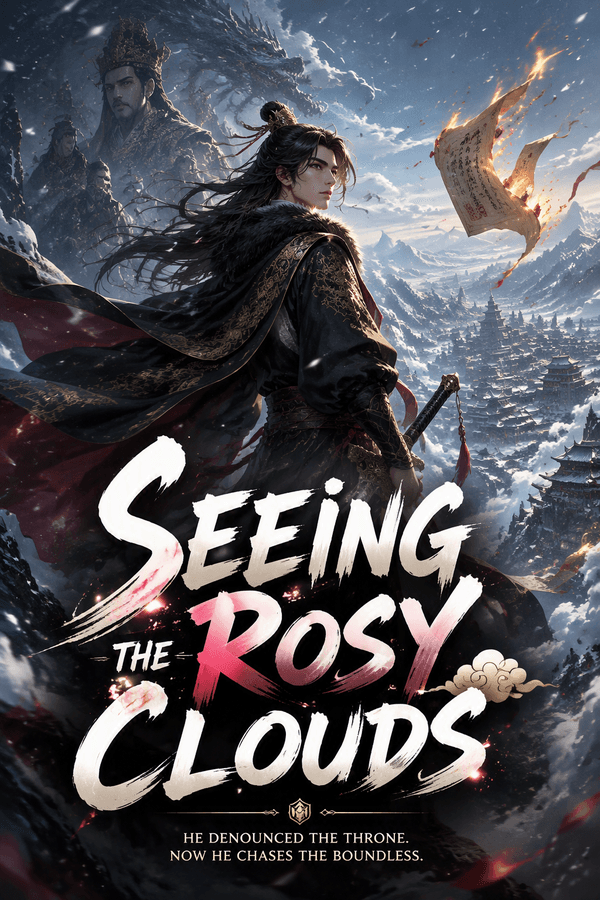
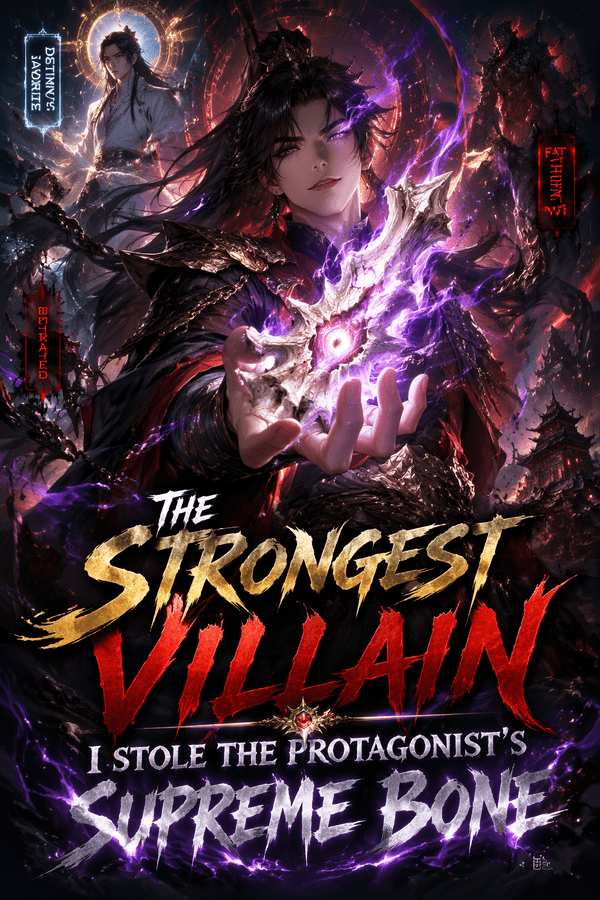


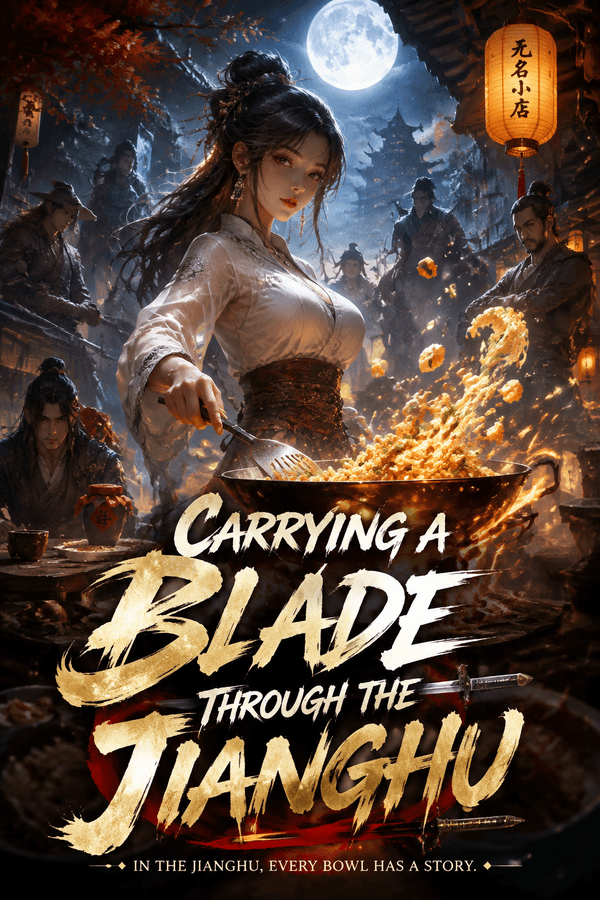
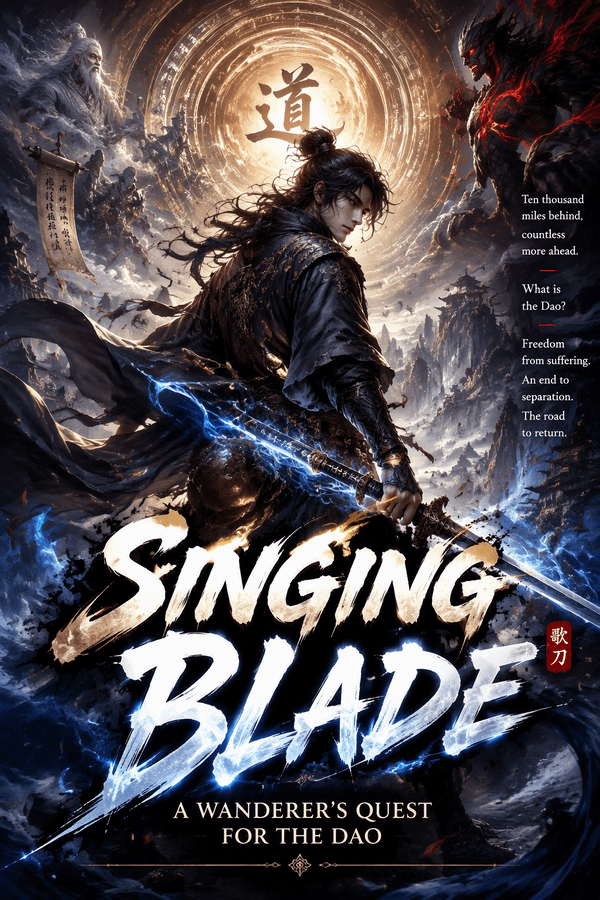

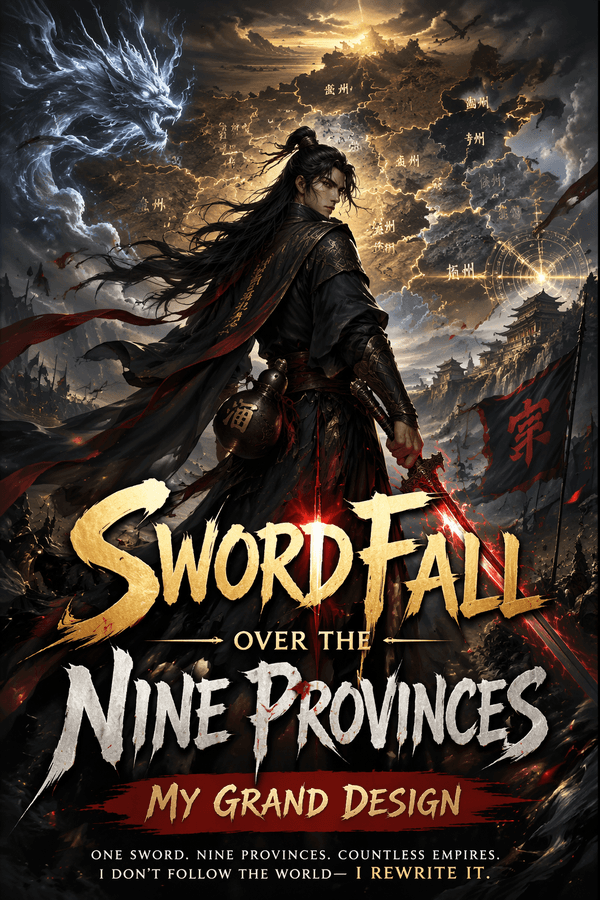
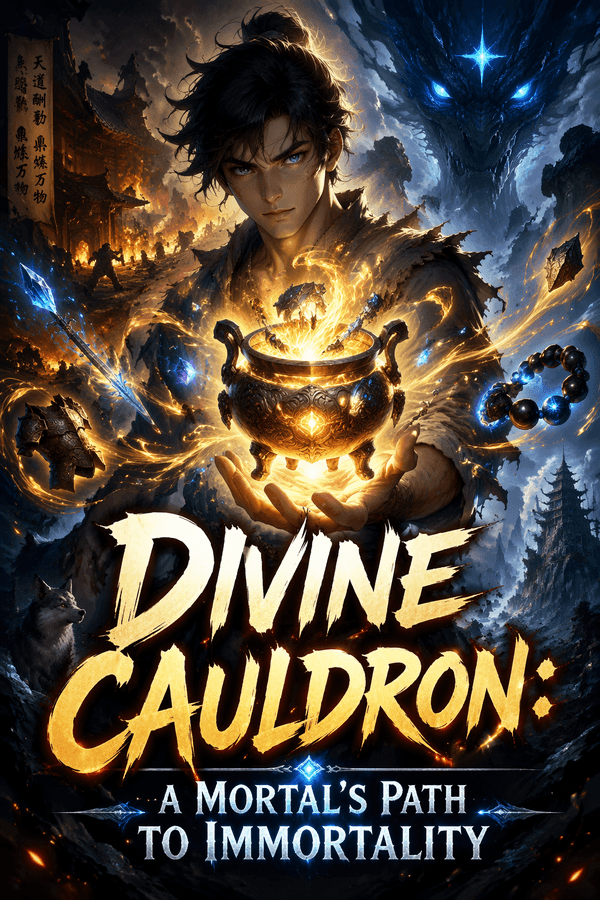
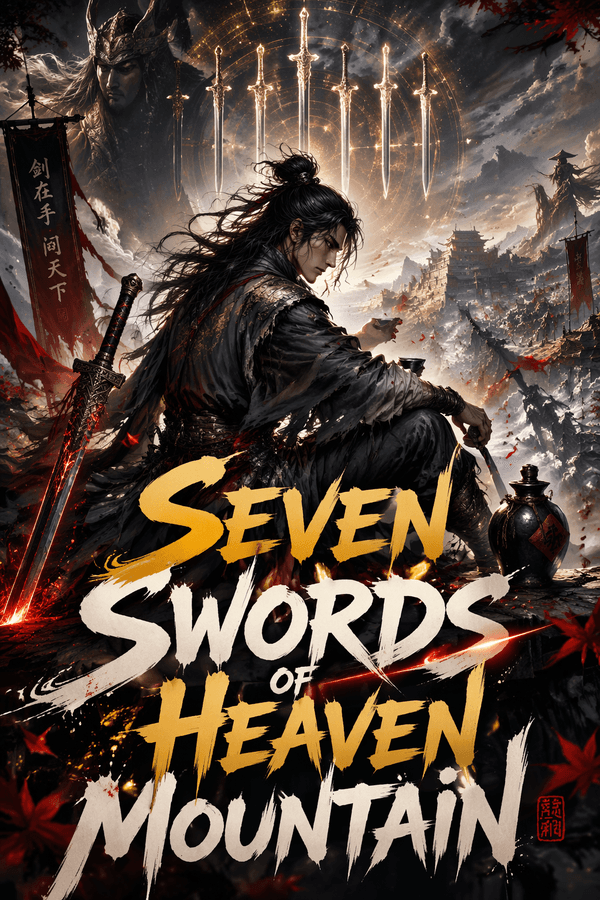
In this subgenre, the protagonist is more than just a skilled fighter; they are a seeker of legendary artifacts, forgotten relics, and lost dynasties. Unlike static heroes bound by kingdom politics, these wandering swordsmen traverse vast, treacherous landscapes, relying on their wits and steel to survive the dangers guarding the world’s most coveted treasures.
These stories blend high-stakes martial arts action with the excitement of an archaeological adventure. Whether they are navigating labyrinthine ruins, deciphering cryptic inscriptions, or outsmarting rival factions, the thrill of the hunt is the driving force. You will follow heroes who walk the path of the lone wolf, finding that the true reward isn't always gold—sometimes, it’s the forbidden knowledge or the powerful weapon that changes their destiny forever.
Expect fast-paced duels, intricate world-building, and the constant tension of being hunted while hunting. From sunken shrines to sky-high citadels, these novels offer an immersive escape into a world where the horizon is a promise of discovery and every swing of a sword brings you closer to the ultimate prize.
Frequently asked questions
What defines a treasure hunting swordsman novel?
It combines martial arts action with exploration, where the protagonist travels extensively to find artifacts, ruins, or lost wealth.
Is this genre heavy on combat?
Yes, combat is central. The protagonist usually faces guardians, rival treasure hunters, and hostile environments that require master-level sword skills.
Do these stories focus on character growth?
Absolutely. The journey often forces the hero to evolve, gaining new techniques and insights as they uncover the secrets of the items they seek.
Are there supernatural elements?
Most include fantasy elements, such as magical artifacts, cursed items, or mystical beasts protecting the treasures.
Why is the 'wandering' aspect important?
It allows the narrative to constantly shift environments, keeping the sense of discovery fresh and the challenges unpredictable.