When Fate Hangs on a Coin Flip: Chaotic Decision-Making in Fantasy
Forget grand councils and logical strategies; sometimes the fate of an entire empire rests on a game of chance or a bizarre whim.
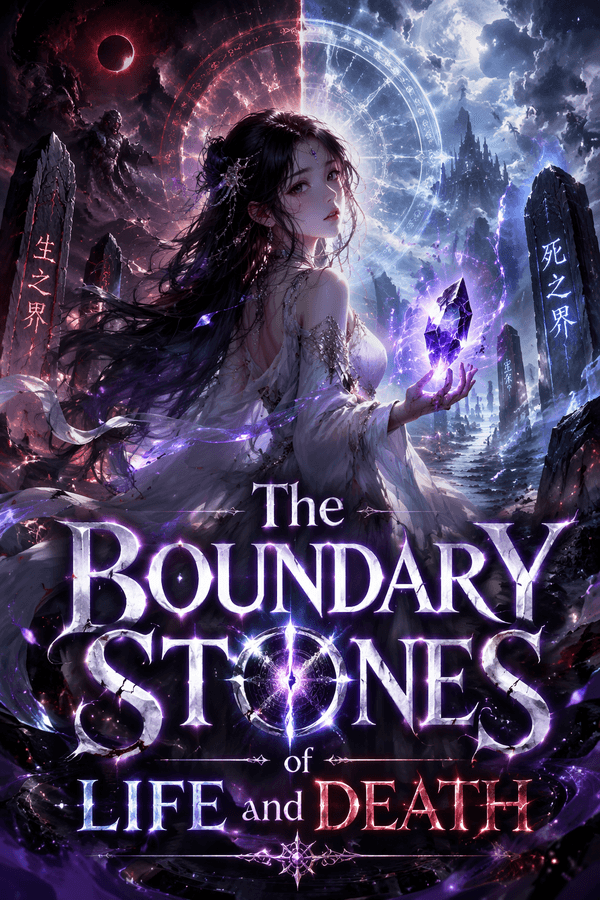
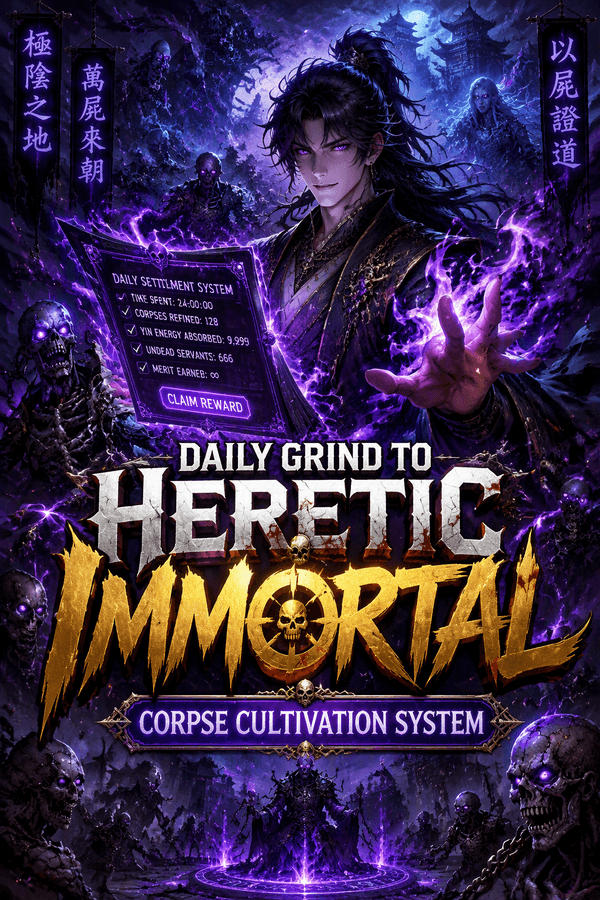
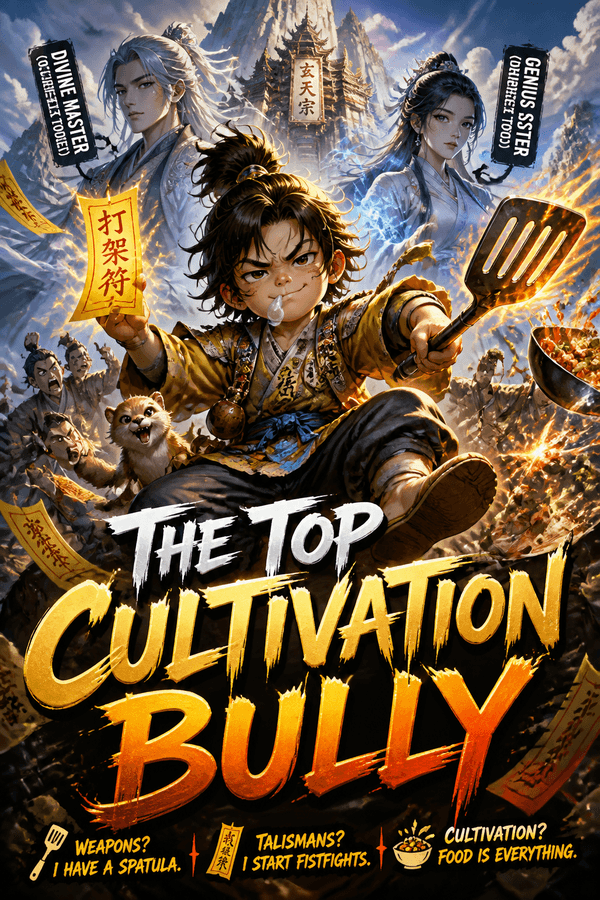
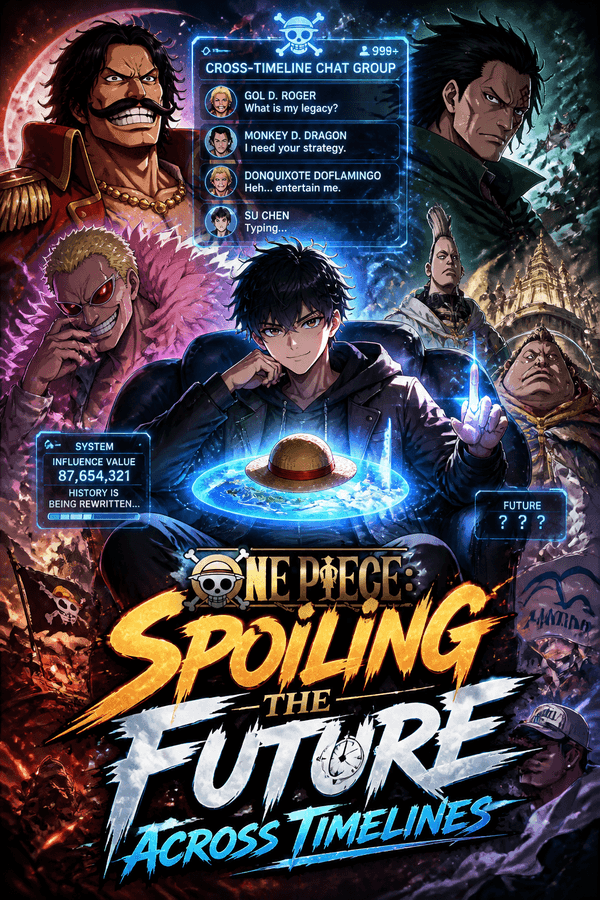
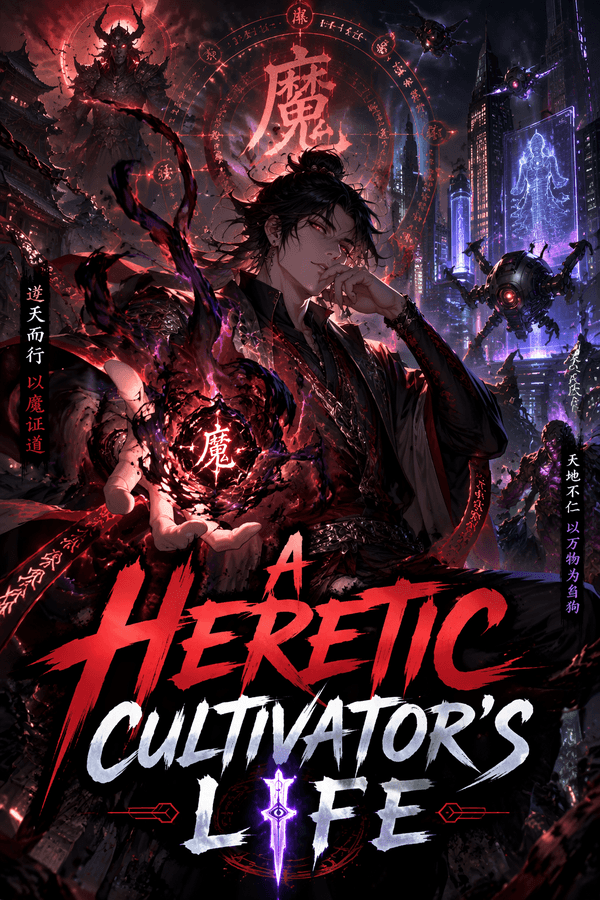
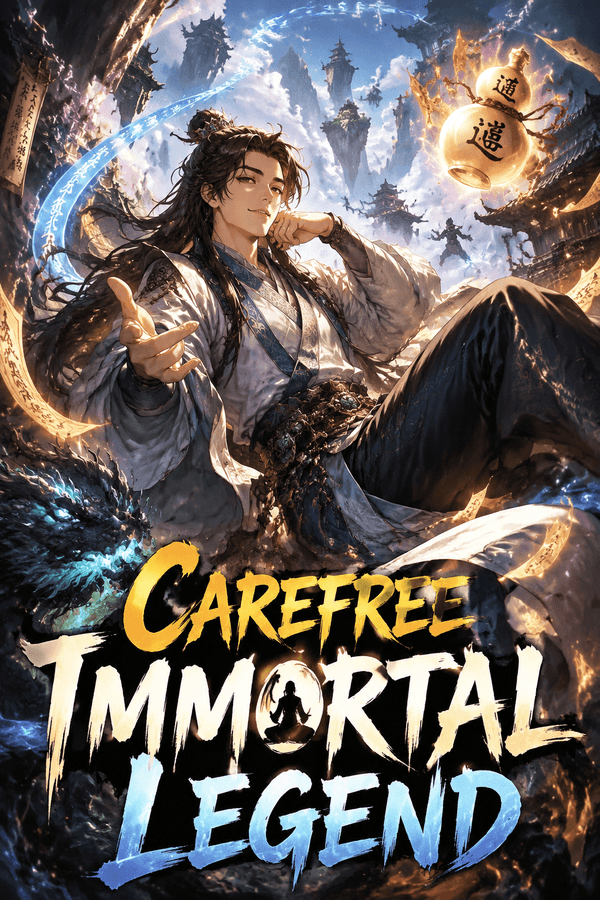
In these gripping tales, the most pivotal moments in history aren't forged in the halls of power or through meticulous tactical planning. Instead, they unfold through unpredictable, unconventional, and often downright absurd methods. Whether it’s a hero choosing their path based on the direction of a gust of wind, a king deciding the fate of a nation through a high-stakes game of dice, or a protagonist solving existential threats with sheer, chaotic spontaneity, these stories subvert the traditional tropes of strategic fantasy.
Readers are drawn to these narratives because they shatter the predictability of 'chosen one' archetypes. When world-changing decisions are made through unorthodox means, the stakes feel raw and dangerously fragile. It keeps the audience on the edge of their seats, wondering if the next global catastrophe will be averted by a brilliant maneuver or a stroke of ridiculous luck. These stories celebrate the idea that in a chaotic universe, the most 'illogical' choice might just be the one that saves everything.
If you love stories that defy common sense and embrace the whims of fate, you have come to the right place. Dive into our curated collection of web novels where logic takes a backseat to destiny, and where the most important turning points in the world are decided by the toss of a coin. Prepare to be surprised, baffled, and thoroughly entertained by characters who refuse to play by the rules of traditional governance.
Frequently asked questions
What defines an unorthodox decision in these novels?
It refers to choices made via non-traditional means like gambling, omens, random chance, or eccentric personal whims rather than political strategy.
Is this trope common in Isekai stories?
Yes, many Isekai protagonists use their 'outsider' perspective to make decisions that seem nonsensical to the local inhabitants but lead to massive shifts.
Why do readers enjoy this trope?
It adds a layer of suspense and humor, as the outcome of the plot becomes impossible to predict through standard logical analysis.
Are these stories usually comedies?
While many contain comedic elements, this trope is also used in serious dramas to highlight the fragility of power and the insanity of war.
Can I find these stories in high-fantasy settings?
Absolutely; many high-fantasy epics utilize this trope to show how gods or fate influence the mortal realm through mysterious, cryptic signs.